
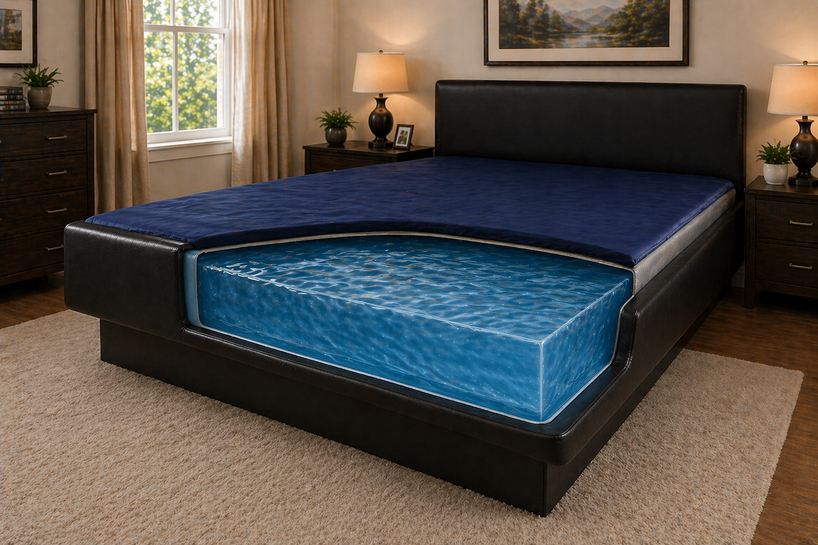
Your bed should help your body settle down, not give it another fight. The best waterbed mattress creates a smoother and more balanced place to rest. Waterbed Bargains offers waterbed mattresses built for people who want comfort without the hard feel of a standard bed.
Waterbeds adjust as your body shifts during the night. Better support can make bedtime feel easier for people who often wake up sore or stiff. Investing in the right mattress gives your body a more forgiving place to recharge.
Read on to learn how waterbeds reduce pressure while you rest.
Key Takeaways
- Waterbeds spread weight and ease common pressure points.
- Responsive support shifts as your body moves.
- Better contact can help rest feel more balanced.
Water Fills the Lower Back Gap
Flat mattresses can leave an empty space under the lower back. Water shifts upward to support this area as your body settles. The added contact helps the spine rest in a steadier position.
Muscles often tighten when they must hold the back above the bed. Gentle support reduces how much work those muscles do during sleep. Your lower back gets a better chance to relax through the night.
Body movement also changes how the water responds. The surface keeps filling small gaps as you turn or adjust. This steady contact can make rest feel smoother and less strained.
Shoulder Pressure Spreads Outward
Firm surfaces can place too much force on one small part of the shoulder. Water moves away from the deepest point and carries part of the load across the arm and rib area. Broader contact gives the joint more room to settle.
Instead of pushing straight back, the mattress adjusts around the upper body. Shared support keeps pressure from building in one fixed spot. That response can make side sleeping feel less harsh.
Nighttime comfort often improves when the shoulder is free to sink without feeling trapped. Reduced strain can help the body stay in one position longer. Gentle movement under the sleeper keeps the support from feeling rigid.
The Sacrum Gets a Softer Landing
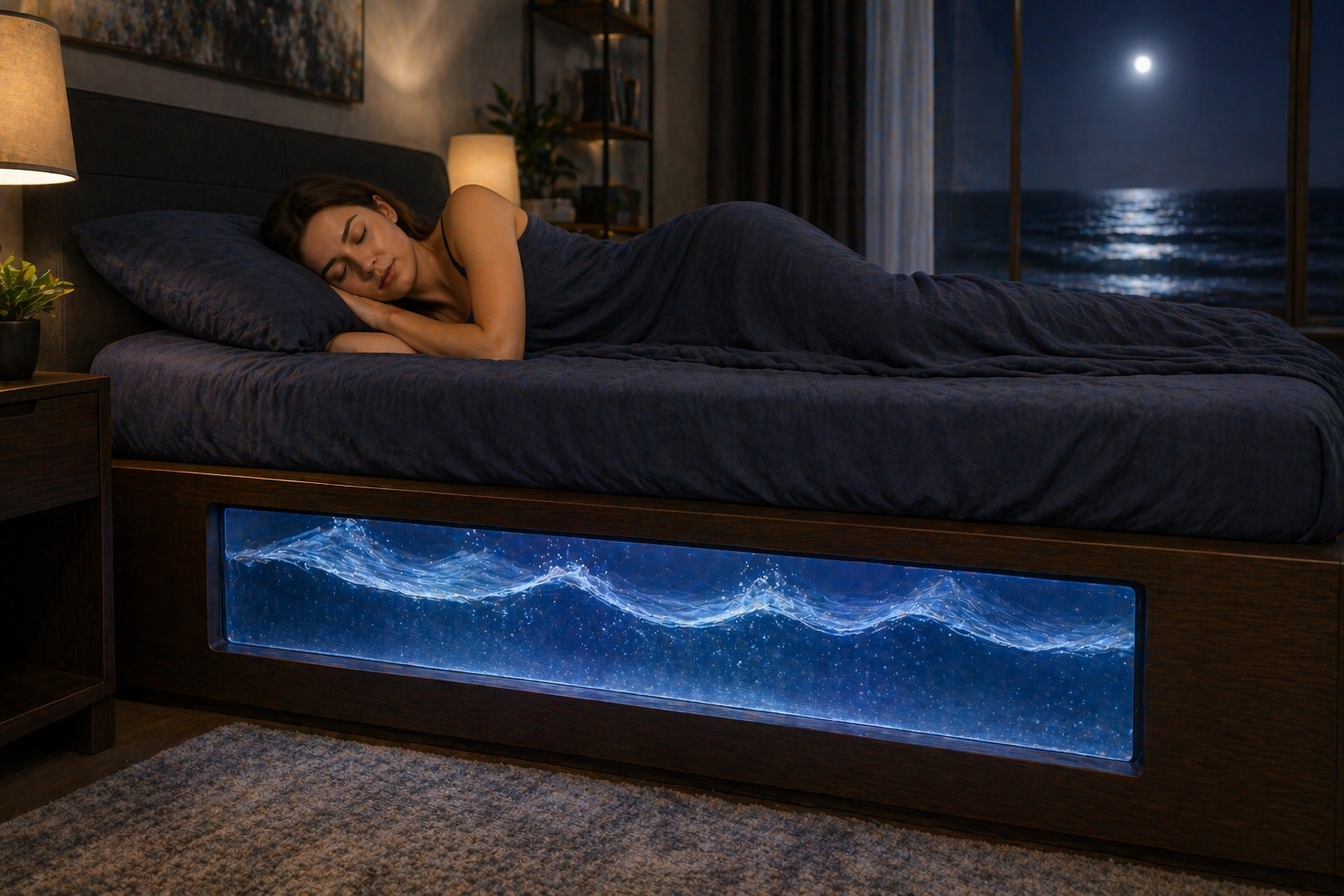
Back sleeping can place strong pressure near the base of the spine. The sacrum may feel sore when it rests against a stiff surface for hours. A waterbed gives this area a gentler place to settle.
Fluid support forms around the hips and lower back. Nearby muscles share more of the load, rather than leaving one bone to take it all. This fuller contact helps reduce the hard push felt under the pelvis.
Morning tenderness may ease when pressure stays spread across a larger area. The mattress keeps responding as your position changes during sleep. Softer support around the sacrum can help the lower body feel more rested.
Do Waterbeds Help With Hip Pressure?
Yes, a waterbed can ease the hard push that builds around the hip. Water shifts under the body and spreads weight across the waist, thigh, and side. This wider contact helps one small area avoid taking all the strain.
Deeper settling gives the hip room without leaving the rest of the body unsupported. Support from the surrounding areas helps keep the body from tipping too far. Better balance can make side sleeping feel smoother.
Less force on the hip bone may reduce soreness during the night. Gentle movement also helps the surface keep up when you change position. Steady support gives the joint a softer place to rest.
Weight Moves Away From the Tailbone
Tailbone soreness can make it hard to relax on a flat sleep surface. A waterbed changes shape under the pelvis and gives the lower body a more forgiving place to rest.
Pelvic Tilt Stays More Neutral
An uneven surface can tip the pelvis forward or backward. That angle may pull on the tissues near the tailbone and lower spine. Water helps the pelvis settle into a flatter and calmer position.
Small Movements Do Less Harm
Sleepers make many small shifts during the night. A stiff bed can create a fresh pressure point after each move. Water follows those changes and keeps the landing from feeling sudden.
Lower Back Tension Can Ease
Tight back muscles may pull on the pelvis and add stress near the tailbone. Gentle contact in the lumbar area reduces the work those muscles have to do. A calmer lower back can reduce the strain felt farther down.
Pressure Does Not Stay Trapped
Firm foam can keep force locked in one spot for long periods. A waterbed keeps moving the load as the sleeper breathes and changes position. This response helps prevent one small area from carrying the same force all night.
Rib Support Changes With Each Breath
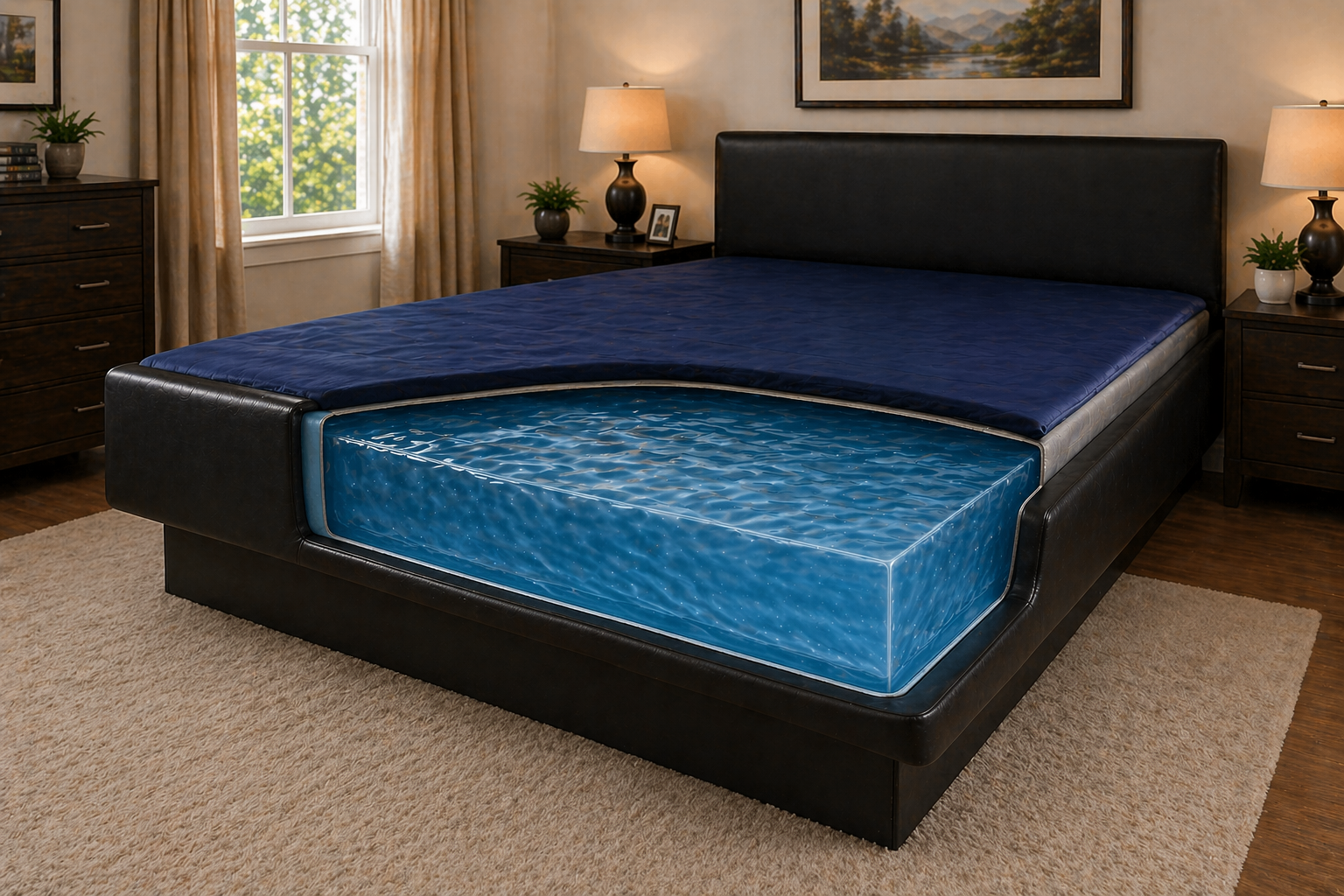
Every breath slightly changes the shape of your upper body. A waterbed gives the rib cage room to expand without pressing it into one firm layer. Softer contact can make long stretches of rest feel easier.
Chest movement stays more natural when the surface responds under you. Water shifts in small amounts as the lungs fill and empty. That steady response helps reduce stress along the sides of the ribs.
Side and stomach sleepers may notice the biggest difference. Their chest often carries more direct force against the mattress. Flexible support lets the rib area move while keeping the upper body gently held.
The Waist Does Not Lose Support
A gap under the waist can leave side sleepers feeling uneven. Water moves into that curve and gives the middle of the body more steady contact. This added support keeps the torso from hanging between the shoulder and hip.
Better contact under the waist helps spread body weight across a wider area. The shoulder and hip do not need to carry as much pressure alone. That balance can make the whole sleep position feel less strained.
Nighttime movement may also feel smoother when the middle stays supported. The mattress keeps adjusting as the body shifts or settles deeper. A filled waist gap helps side sleepers rest in a more natural line.
Knees Rest Without Hard Contact
Bent legs can place the knees against each other for hours. Soft water support forms around each joint as the legs settle. Less direct contact can ease the sharp pressure felt near the kneecaps.
Side sleepers may notice extra strain along the inner knees. The mattress cushions both legs and helps keep one joint from pressing hard into the other. Wider support also gives the lower body a calmer place to rest.
Small position changes stay comfortable because the surface moves with the legs. Each knee keeps gentle support instead of landing on a stiff layer. Smoother contact can help the joints feel less tender in the morning.
The Calves Share the Load
Calves often lose contact with a flat, firm mattress. Water lifts gently under the lower legs and supports more than the heels and thighs. This fuller contact spreads weight across a larger area.
The added support changes how the whole lower leg rests:
- Heel Pressure Drops: Support beneath the calves helps reduce the force on the heels. The weight moves upward along the leg instead of staying trapped in one small spot.
- Ankles Stay More Stable: Even contact under the lower legs can stop the feet from tilting at an awkward angle. A steadier position helps reduce tension around the ankle joints.
- Muscles Relax More Fully: Unsupported calves may stay tense as the legs rest between higher contact points. Gentle lift gives those muscles a chance to loosen during sleep.
- Leg Position Feels Smoother: Water follows the natural curve between the knees and heels. This shape keeps the lower legs supported without forcing them against a hard layer.
Full calf support helps the lower body rest with less strain on the heels and ankles.
Looking For the Best Waterbed Mattress On the Market?
Better pressure relief starts with a mattress that works with your body instead of fighting it. Waterbed Bargains offers options that help spread weight, support natural curves, and reduce stress on sore spots. A well-chosen waterbed can turn restless nights into easier mornings.
Frequently Asked Questions
How does a waterbed spread body weight?
A waterbed shifts beneath your body and spreads weight across a wider area. This helps keep heavy pressure from building under the shoulders, hips, and heels.
Can a waterbed support the lower back?
A waterbed rises into the space beneath the lower back and supports its natural curve. Better contact can help the back muscles stay relaxed during sleep.
Do waterbeds adjust when you change sleep positions?
Water moves as soon as your body turns, bends, or shifts. The mattress then creates a new support pattern for your current position.
Can a heated waterbed help with muscle tension?
Gentle warmth can help tight muscles loosen as you rest. A more relaxed body often settles into the mattress with less pressure on sore areas.
How do I choose the best waterbed mattress?
Look for a mattress that matches your body type, sleep position, and preferred level of motion. Waterbed Bargains offers several choices for shoppers who want balanced support and a more comfortable night.