
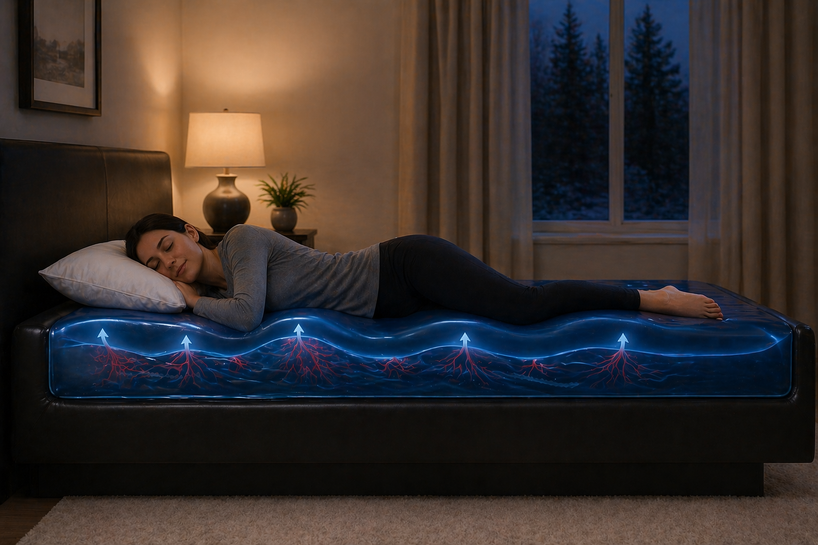
A regular mattress can hide a lot of small problems until your body starts complaining. Waterbeds bring those problems into focus because they change how support, pressure, warmth, and movement feel during sleep. The first week often feels like a reset for people who are used to stiff foam, weak springs, or beds that never quite fit.
Waterbed Bargains helps shoppers find a bed that feels more responsive, rather than forcing the body to adjust all night. Comfort may show up through easier movement, fewer sore spots, cleaner upkeep, or a sleep surface that feels more personal. Some changes feel clear right away, while others become more noticeable after a few nights.
Keep reading to see what may stand out during your first week sleeping on a waterbed.
Key Takeaways
- A waterbed can make you notice how much pressure your old mattress forced your body to manage.
- Small changes in warmth, fill level, and motion can make bedtime feel more personal and easier to control.
- The first week can reveal cleaner upkeep, smoother movement, and fewer sore spots in ways that feel surprisingly practical.
Shoulder Pressure Feels Different
Side sleepers may notice the change before the first week is over. A waterbed lets the shoulder settle in with more give, so the upper body does not feel trapped against a stiff surface.
Your Shoulder Gets More Room
A firm mattress can make the shoulder feel jammed when you sleep on your side. That pressure can build slowly until you roll over or wake up sore. A waterbed moves with the shoulder, which can make the position feel less forced.
Weight Spreads Out More Evenly
Your shoulder does not carry the same sharp pressure when the surface shifts under it. The water helps spread body weight across more of the bed. This can make your neck, upper back, and arm feel less tight in the morning.
Side Sleeping Feels Less Like a Fight
A stiff bed can make side sleepers keep changing spots to find relief. On a waterbed, the surface responds rather than pushing back in one hard spot. That can help the body relax faster and stay more settled through the night.
Hip Aches May Ease Up
Hip aches can sneak in while the rest of your body is trying to rest. A regular mattress may let pressure build under one spot until you wake up and have to move. A waterbed shifts with your body, so your hips can feel more supported without that hard pushback.
That can make the first week feel different in a simple way. You may notice fewer urges to roll over just to escape a sore point. When the bed helps spread pressure instead of trapping it under your hip, staying comfortable can feel much easier.
Movement Starts to Feel Natural
A waterbed may surprise you the first time you turn over. It does not push back like springs or hold you in place like thick foam. Instead, the surface moves with you in a softer, slower way.
After a few nights, that motion can start to feel less strange. Your body learns how the bed responds when you shift, stretch, or change sides. The movement feels more like part of the bed than something getting in your way.
This is one reason the first week can feel like a reset. You begin to notice how much your old mattress fought your movement. A waterbed gives you a smoother response, so changing positions can feel easier and less stiff.
Softness Comes Without Sagging
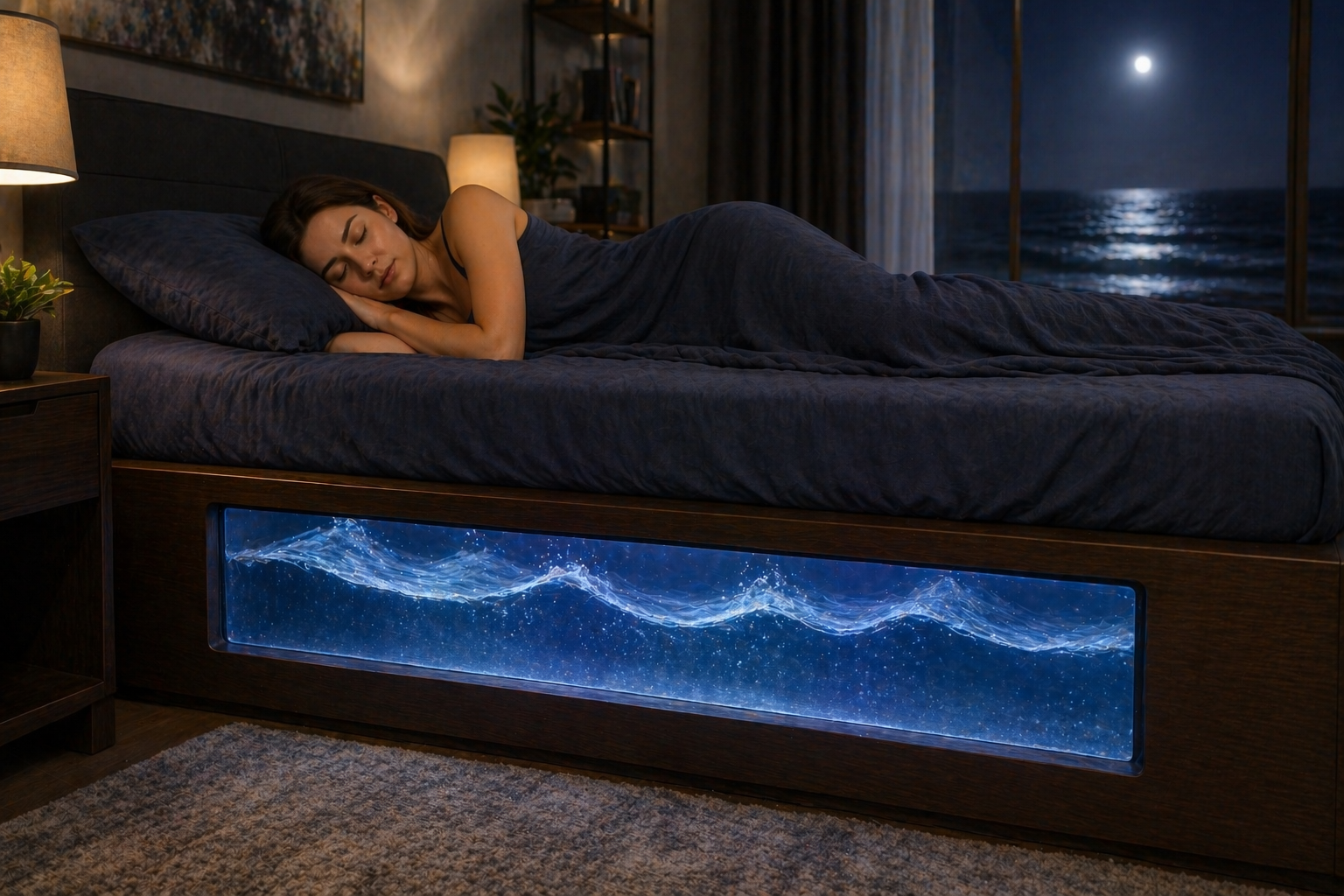
Soft does not have to mean weak. Many regular mattresses feel plush at first, then form dips that pull the body out of line. Waterbed comfort feels different because the support comes from below, not from worn-down padding.
Gentle give can still hold you up when the water core spreads weight across the bed. Hips, shoulders, and back get room to settle without sinking into a low spot. That can make the surface feel calm instead of collapsed.
Real comfort should feel steady when you move, stretch, or change sides. Worn foam can trap the body, but a waterbed keeps responding as pressure shifts. During the first week, that softer feel may stand out because it does not feel like the bed is giving up under you.
Muscle Tension Quietly Drops
Morning stiffness can feel normal until a better bed shows you it was not. A regular mattress may make your body hold tight against hard spots, dips, or uneven support. A waterbed gives your muscles a gentler place to rest, so they may stop working so hard while you sleep.
The change can show up in small ways during your first stretch after waking:
- Less bracing through the night: Your muscles do not have to fight the bed as much when the surface moves with your body. That can help your shoulders, back, and hips feel less guarded by morning.
- Smoother support under sore areas: A stiff mattress can press into one spot and make nearby muscles tighten. A waterbed spreads that pressure out, so the body can relax more fully.
- Easier movement when you wake up: Tight muscles can make the first steps out of bed feel slow. With less pressure building overnight, getting up may feel smoother and less stiff.
- A calmer feel across the whole body: Tension often builds in more than one place at once. Better give from the water core can help the body feel more settled from the neck down to the lower back.
That quiet drop in tension can make the bed feel less like something your body has to manage and more like a place where it can finally let go.
Blanket Habits May Change
Cold sheets can make you pile on blankets before your body even has a chance to relax. A heated waterbed brings warmth up from below, so the bed can feel ready when you climb in. That steady heat may make thick layers feel less needed during the first week.
Extra blankets can trap you, bunch up, or make turning over harder. With warmth coming through the mattress, the bed may feel lighter and easier to move in. You can settle under fewer layers without feeling like you are losing comfort.
Nighttime can feel simpler when the bed does more of the warming for you. Instead of building a heavy nest, you may find yourself choosing softer, lighter covers. The whole sleep setup can feel cleaner, calmer, and easier to enjoy.
Fill Level Changes Everything
Water level can make a waterbed feel like a whole new sleep surface. A fuller bed may feel more steady under your back, hips, and shoulders. A lower fill can give your body more room to settle in.
The first week is when those small changes start to matter. You may notice that your body likes more lift one night and more give the next. Once the fill feels right, the bed can feel more personal than a regular mattress.
It’s Time to Check Out Our High-Quality Waterbeds
A waterbed can show you what your old mattress was missing. Waterbed Bargains makes it easy to find a bed with better support, steady warmth, and a cleaner feel. Once your bed works with your body, sleep can feel easier every night.
Frequently Asked Questions
How long does it take to get used to a waterbed?
Many people notice the difference within the first week, but your body may need a few nights to adjust. The support feels different because the bed moves with your weight rather than holding a fixed shape.
Are waterbeds good for side sleepers?
Waterbeds can be helpful for side sleepers because they reduce pressure around the shoulders and hips. The mattress lets heavier areas settle in while still supporting the rest of the body.
Do waterbeds feel too wavy when you sleep?
Modern waterbeds can feel much steadier than older styles because many use motion control layers. You still get the gentle response of water, but the movement does not have to feel wild or distracting.
Can a waterbed help with morning soreness?
A waterbed may help reduce morning soreness by spreading body weight more evenly across the mattress. Less pressure can help your muscles relax instead of staying tense through the night.
Are waterbeds hard to keep clean?
Waterbeds can be easier to clean than many regular mattresses because dust, pet hair, and dander stay closer to the surface. A quick wipe can help keep the bed feeling fresh without deep cleaning layers of fabric or foam.