

Sleep quality often comes down to how well your bed supports your body through the night. A waterbed mattress offers a different approach that shifts away from rigid materials and fixed support zones. Waterbed Bargains gives shoppers access to options that focus on comfort, adaptability, and long-term use.
Each benefit in this list touches on a different part of the sleep experience, from how your body settles into the surface to how the mattress responds as you move. Deeper details will explain why these features matter and how they unfold over time. Better sleep is not just about comfort in the moment, but how your body feels hours later.
Read on to learn more.
Table of Contents
- Waterbeds Remove High-Pressure Contact Points That Disrupt Sleep
- Adjustable Water Levels Give You Direct Control Over Bed Feel
- Fluid Support Systems Shift With Every Movement You Make
- Integrated Heating Creates A Controlled Sleep Temperature Environment
- Even Support Reduces Subtle Muscle Strain During Sleep
- Wave Control Layers Transform Movement Into Stable Support
- Non-Porous Surfaces Limit Dust And Allergen Accumulation
- Liquid Core Design Avoids The Breakdown Seen In Traditional Beds
- Balanced Weight Distribution Supports Healthier Blood Flow Overnight
- Adaptive Surface Keeps Up With Long-Term Body Changes
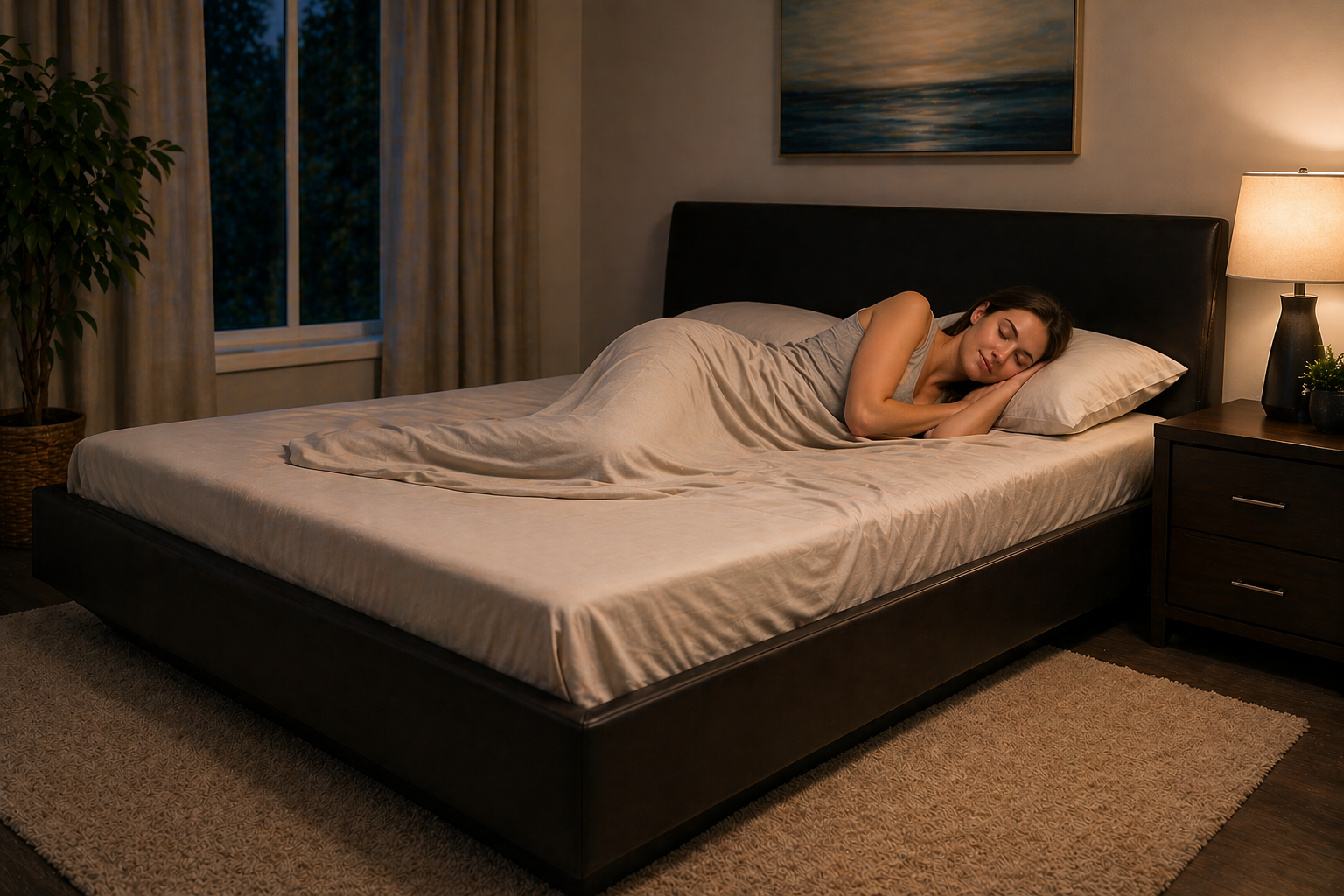
Waterbeds Remove High-Pressure Contact Points That Disrupt Sleep
Sleep breaks down when pressure builds in the wrong places. A waterbed mattress changes that by spreading weight across the entire surface instead of forcing your body into a few stress points. Waterbed Bargains offers options built to reduce that strain and create a more stable sleep experience.
Pressure doesn’t stay in one place overnight, it builds, shifts, and triggers constant movement. Less pressure means fewer interruptions, better circulation, and a body that can actually relax. Better support leads to deeper, more consistent rest without the usual discomfort.
Keep reading to see how each benefit works.
Key Takeaways
- Pressure builds slowly during the night, and the right sleep surface can prevent it from disrupting your rest.
- Support that moves with your body prevents pressure from building up in one spot, which can trigger constant repositioning.
- Better pressure control leads to fewer wake-ups, improved circulation, and deeper, more consistent sleep.
Shoulder Sink Without Resistance Keeps Side Sleep Stable
Most side sleepers deal with one hidden problem all night. The shoulder hits pressure before the rest of the body can fully relax. That tension builds fast and forces small shifts that break deep sleep.
A waterbed changes how the surface responds the moment you lie down. The shoulder sinks in without pushback, so weight spreads out instead of stacking in one spot. Pressure fades, and the body stays in a natural line without constant adjustment.
Longer stretches of stillness lead to more consistent rest. Muscles remain relaxed rather than reacting to pressure points. You wake up feeling steady, not sore or stiff.
Hip Load Distribution Prevents Late-Night Discomfort Spikes
Most sleep issues show up hours after you fall asleep. Hips carry a lot of weight, and that pressure builds when it stays in one spot too long. A standard bed holds that pressure in place, which leads to sudden discomfort that pulls you out of sleep.
A waterbed mattress keeps support moving as your body rests. The surface shifts with you, so pressure spreads out instead of stacking in your hips. That steady balance helps you stay asleep longer and wake up without that sharp, early morning ache.
Do Waterbeds Help With Pressure Point Pain in Hips and Shoulders?
Yes, waterbeds help reduce pressure-point pain in the hips and shoulders. The surface spreads your weight out, so force does not build in one spot. Hips and shoulders sink in just enough to stay supported without strain.
A waterbed mattress adjusts as your body settles through the night. Support keeps shifting, which helps prevent soreness that can wake you up. Upgrade your sleep with a new waterbed from Waterbed Bargains.
Reduced Surface Pushback Limits Subconscious Muscle Bracing
Many sleep surfaces create a constant pushback that the body has to manage. That ongoing resistance keeps muscles slightly active rather than allowing them to fully relax.
Micro-Tension Builds Without Awareness
The body reacts to pressure even during deep sleep. Areas like the shoulders and lower back stay lightly engaged to handle that force. Hours of this subtle effort can lead to stiffness and lingering discomfort.
Fluid Support Interrupts the Stress Cycle
A waterbed mattress responds to weight without creating resistance. Support shifts in real time, which removes the need for muscles to stay alert. This allows the body to settle into a more natural resting state.
Deeper Relaxation Improves Sleep Consistency
Steady muscle relaxation supports longer periods of uninterrupted sleep. Fewer internal stress signals reduce the need for repositioning. Nights feel smoother, and mornings start with less tension.
Real-Time Support Adjustment During Night Movements
Sleep disruption often comes from moments you never notice. Every small turn or shift can create a brief imbalance when the surface cannot respond fast enough. That split-second mismatch adds stress to the body and breaks deeper sleep cycles.
Water inside the mattress reacts instantly to changes in your weight. Support stays level, so your body never hits a sudden point of pressure. Nights feel more stable, which helps you stay asleep longer and wake up feeling more refreshed.
Improved Blood Flow at Contact Points Reduces Numbness
Numbness during sleep is a sign that something is off. Pressure builds in key areas and slows down circulation without you noticing. That loss of flow leads to tingling that forces you to move.
Standard mattresses trap that pressure in place. Blood flow gets restricted, and the body reacts by shifting to find relief. Those movements break sleep and keep you from reaching deeper rest.
A waterbed mattress spreads weight more evenly across the body. Circulation stays steady, so those high-pressure zones never fully form. Sleep becomes more continuous, and you wake up without that pins and needles feeling.
Even Weight Absorption Prevents Localized Compression Zones
Pressure problems rarely start all at once. They build slowly as certain parts of the body sink deeper while others stay lifted. That imbalance creates stress points that grow stronger the longer you stay in one position.
A waterbed mattress changes how weight spreads across the surface. Instead of allowing heavy areas to take on more load, it balances pressure across the entire body. This keeps support consistent and reduces the risk of discomfort building over time.
Here is how even weight absorption improves sleep quality:
- Balanced load distribution: Body weight spreads across a wider area rather than concentrating in a single zone. This reduces strain on joints that typically carry more pressure through the night.
- Reduced tissue compression: Soft tissue stays supported without being squeezed between body weight and a firm surface. This helps limit soreness that can develop after long periods of stillness.
- Adaptive pressure response: The mattress adjusts as your body settles deeper into sleep. Support stays aligned with your shape instead of creating uneven compression points.
- Long-term comfort stability: Pressure does not increase over time because the surface redistributes weight. This leads to a more consistent sleep experience from start to finish.
Consistent support across the entire body helps prevent discomfort before it starts.
Can Pressure Points Cause You to Toss and Turn All Night?
Yes, pressure points can cause you to toss and turn all night. Areas under stress start to ache, which forces the body to keep shifting for relief. These constant adjustments break your sleep without you fully realizing it.
That cycle keeps repeating as pressure builds again in new spots. A waterbed mattress helps stop that pattern by spreading weight more evenly across the body. Less pressure means fewer movements, so sleep stays steady and uninterrupted.
Balanced Spinal Support Without Pressure Imbalance
Spinal strain often starts in ways you cannot feel right away. Small pressure gaps form under the body and pull the spine out of its natural line. That hidden stress builds over hours and shows up as stiffness in the morning.
A waterbed mattress follows the shape of your body as it settles. Support stays even across your back, hips, and shoulders, rather than dropping in certain areas. This keeps the spine in a more neutral position without forcing it into place.
Muscles stay more relaxed when alignment holds steady through the night. Less strain means fewer disruptions and less need to shift positions. You wake up feeling more balanced instead of tight or sore.
Continuous Redistribution Stops Pressure From Building Overnight
Pressure builds in layers while you sleep. Each hour adds more force to the same contact points if nothing changes. That gradual increase leads to discomfort that often shows up late at night.
Static surfaces hold their shape once they compress. Heavier areas continue to sink while lighter areas lose support. This creates an imbalance that puts more strain on the body over time.
Constant movement in the sleep surface prevents that buildup from taking hold. Support keeps shifting, so pressure never settles in one place for long. A waterbed mattress maintains that balance all night, helping you stay asleep without discomfort interruptions.
Less Pressure, Deeper Sleep Starts With a Smarter Waterbed Mattress
Better sleep begins when pressure stops building in the first place. A waterbed mattress creates that shift by removing the stress points that quietly disrupt rest night after night. Waterbed Bargains makes it easy to upgrade to a sleep surface that works with your body instead of against it.
Next, see how adjustable water levels give you direct control over your bed's feel.
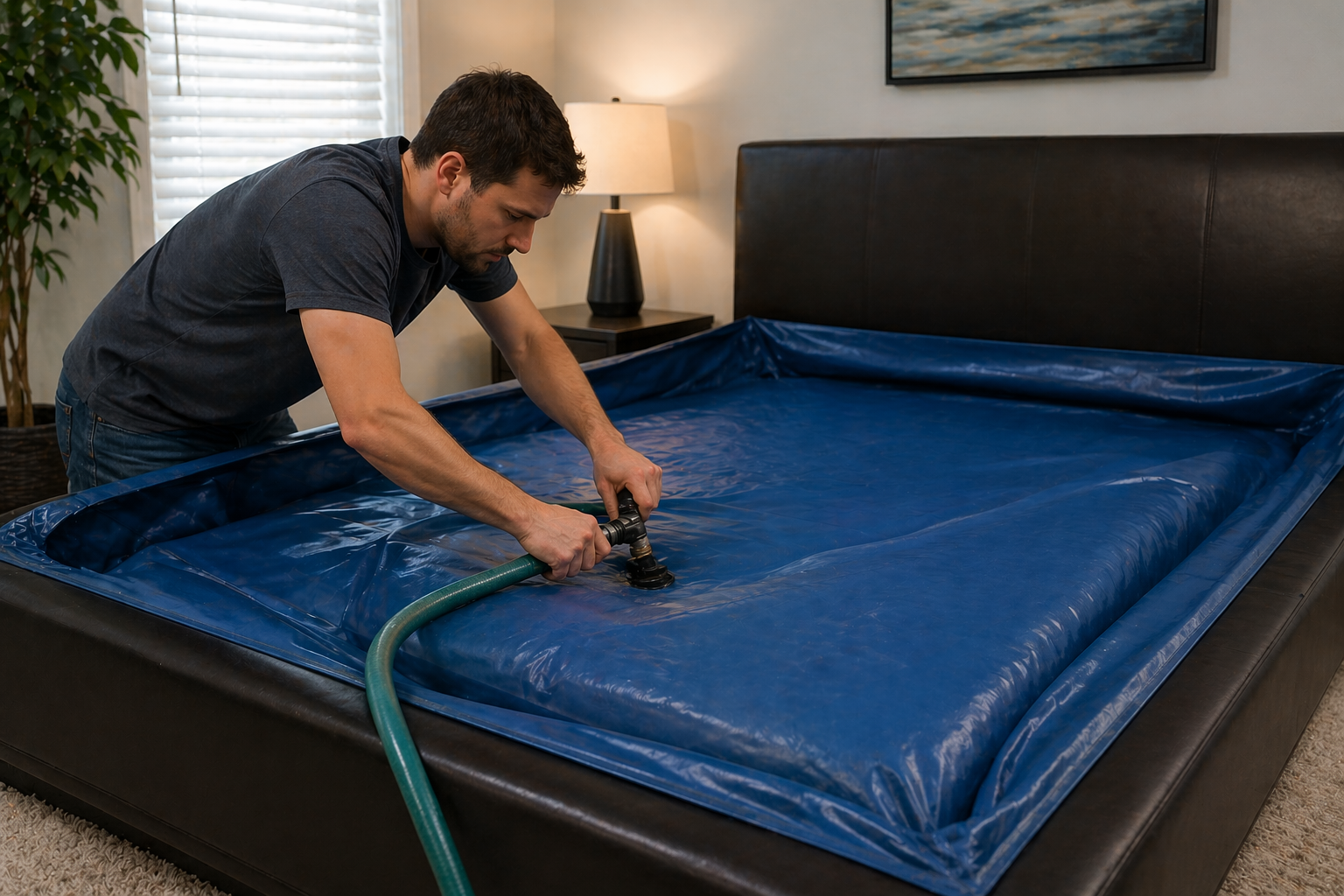
Adjustable Water Levels Give You Direct Control Over Bed Feel
A mattress should not force you into one fixed feel night after night. A visit to a waterbed store quickly shows how adjustable water levels change the way a bed responds to your body. Control over firmness, support, and movement starts with something as simple as how much water sits inside the mattress.
Real comfort comes from being able to adjust your bed as your needs change. Waterbed Bargains offers options that let you fine-tune how your bed feels without replacing it every few years. Small changes in fill level can shift pressure relief, support, and motion in ways standard beds cannot match.
Keep reading to see how adjustable water levels give you direct control over bed feel.
Key Takeaways
- Your bed should adjust to your body, not the other way around, and water levels make that possible.
- Small changes in water volume can shift firmness, pressure relief, and motion in ways standard mattresses cannot match.
- A setup that evolves with your needs replaces the cycle of guessing, buying, and settling for less comfort.
Dialing In Lumbar Support With Exact Water Fill Levels
Lower back discomfort often comes from support that is close, but not quite right. Small gaps in support can throw off spinal alignment and create strain that builds over time.
Fine Adjustments Change Load Distribution
Shifting the water level changes how the weight is distributed across the midsection. A slightly higher fill increases resistance under the lower back, which helps hold the spine in a more stable position. Less filling allows the hips and surrounding areas to settle deeper, which can reduce tension pulling on the lumbar region.
Weekly Adjustments Match Real Body Changes
Your body does not stay the same week to week. Activity levels, stress, and sleep habits all affect how much support your lower back needs. Being able to adjust the water volume lets you respond to those changes without having to replace your mattress.
Precision Support Reduces Compensation Patterns
When lumbar support is removed, other parts of the body begin to compensate. Shoulders, hips, and even the neck can shift out of alignment to make up for that gap. Dialing in the right fill level helps prevent those chain reactions and keeps the body in a more balanced position through the night.
Replacing Fixed Firmness With On-Demand Adjustability
Most beds feel great at first, then slowly miss the mark. Your body changes, but the mattress stays the same, which leads to discomfort over time. That mismatch forces you to settle or start shopping all over again.
A waterbed lets you change the feel whenever you need it. Small adjustments can shift how firm or soft the surface feels without buying a new bed. This keeps your sleep setup working for you instead of falling behind.
Adjusting Bed Feel Based On Daily Physical Strain
Some nights, your body tells a different story than the night before. A long shift, a tough workout, or hours in a car can leave certain areas tight and overworked. Lying down on a bed that feels the same every night does not always give your body what it needs to recover.
That is where small changes start to matter. A waterbed lets you shift the feel so your body gets the right level of support after a demanding day. More firmness can help hold everything in place, while a softer setup can help sore spots settle in and release tension.
Over time, this kind of flexibility changes how sleep works for you. Rest becomes something you adapt to, rather than something you have to adjust to. Mornings feel easier because your body had the support it needed the night before.
Why Does Water Level Change The Way A Waterbed Feels?
A small change inside the mattress can completely shift how it feels under your body. Water level controls how quickly the surface responds to applied weight. More water creates a firmer feel, while less water allows your body to sink in deeper.
This single adjustment affects both support and comfort at the same time. The way your body settles, moves, and stays aligned all depends on that balance. A waterbed gives you control over that balance, so the feel matches what your body needs each night.
Adjusting Bed Feel Based On Daily Physical Strain
Daily strain does not stay at the door when you go to bed. Tight muscles and sore joints can change how your body settles into the mattress. A fixed surface cannot respond to those shifts, which can slow down recovery.
A waterbed lets you match the feel to what your body needs that night. Small changes in water level adjust how support and pressure relief work together. This helps your body relax faster and stay more comfortable through the night.
The following adjustments show how bed feel supports recovery:
- Targeted muscle relief: Sore areas need more give to release built-up tension. A softer setup allows those spots to settle in without added pressure, which helps ease stiffness.
- Joint load management: Aching joints respond better when weight spreads out more evenly. Adjusting the feel helps reduce the force that builds around high-contact areas.
- Post-activity support correction: Physical strain can shift how your body carries weight at night. Fine-tuning the bed helps keep your body aligned even when muscles feel off balance.
- Sleep cycle stability: Discomfort often leads to constant movement during the night. A better-matched surface reduces those interruptions, which supports deeper rest.
Matching your bed to your body each night helps turn sleep into a more effective recovery process.
Controlling Surface Response Beyond Basic Firmness
Comfort is not just about how a bed feels when you first lie down. What really shapes your night is how the surface reacts when you shift, turn, or settle deeper into sleep. A slow or uneven response can create small disruptions that add up over time.
Water inside the mattress changes that experience in a noticeable way. A higher fill creates a calmer, more stable surface that keeps movement controlled. A lower fill introduces more flexibility, which can feel more forgiving when your body needs room to adjust.
That added control lets you shape how your bed behaves, not just how it feels. The surface can match your sleep style instead of forcing you to adapt to it. Nights feel more natural because the bed moves in sync with your body.
Matching Sleep Surface To Body Weight Changes
Your bed can start to feel off, even when your body changes a little. A few pounds can shift how weight presses into the surface and affect comfort. That difference builds over time and can throw off how well you sleep.
A waterbed lets you adjust the feel instead of settling for discomfort. You can change the water level to keep support and alignment where they should be. This keeps your bed working with your body as it changes over time.
Adapting One Mattress For Multiple Sleep Styles
Your body does not stick to one position once you fall asleep. It shifts, rolls, and adjusts based on comfort without you even noticing. A bed that only works for one position can turn those natural movements into restless sleep.
Water inside the mattress reacts to your position. Support shifts under your body so each posture feels stable instead of strained. Side, back, or in between, the surface keeps up without forcing you to settle.
This flexibility changes how your night feels from start to finish. Movement becomes smoother rather than disruptive, helping you stay asleep longer. You wake up feeling more rested because your bed worked with every position you used.
Building A Repeatable System For Personalized Comfort
Finding the right feel does not have to be guesswork. Each small change you make teaches you more about what your body responds to. Over time, those adjustments turn into a clear pattern you can rely on.
A waterbed makes that process simple and consistent. You can fine-tune the setup, notice the results, and adjust again with better accuracy. Comfort improves with each change, which turns your bed into something that gets better the more you use it.
Take Control Of Every Night With Adjustable Water Levels, Give You Direct Control Over Bed Feel
Adjustable water levels turn your mattress into something you can actually control instead of tolerate. Waterbed Bargains offers systems that let you refine comfort over time, not replace it when it falls short. Every adjustment moves you closer to a setup that matches how your body feels right now.
In the next section, see how fluid support systems respond to every shift you make and keep your comfort consistent all night.
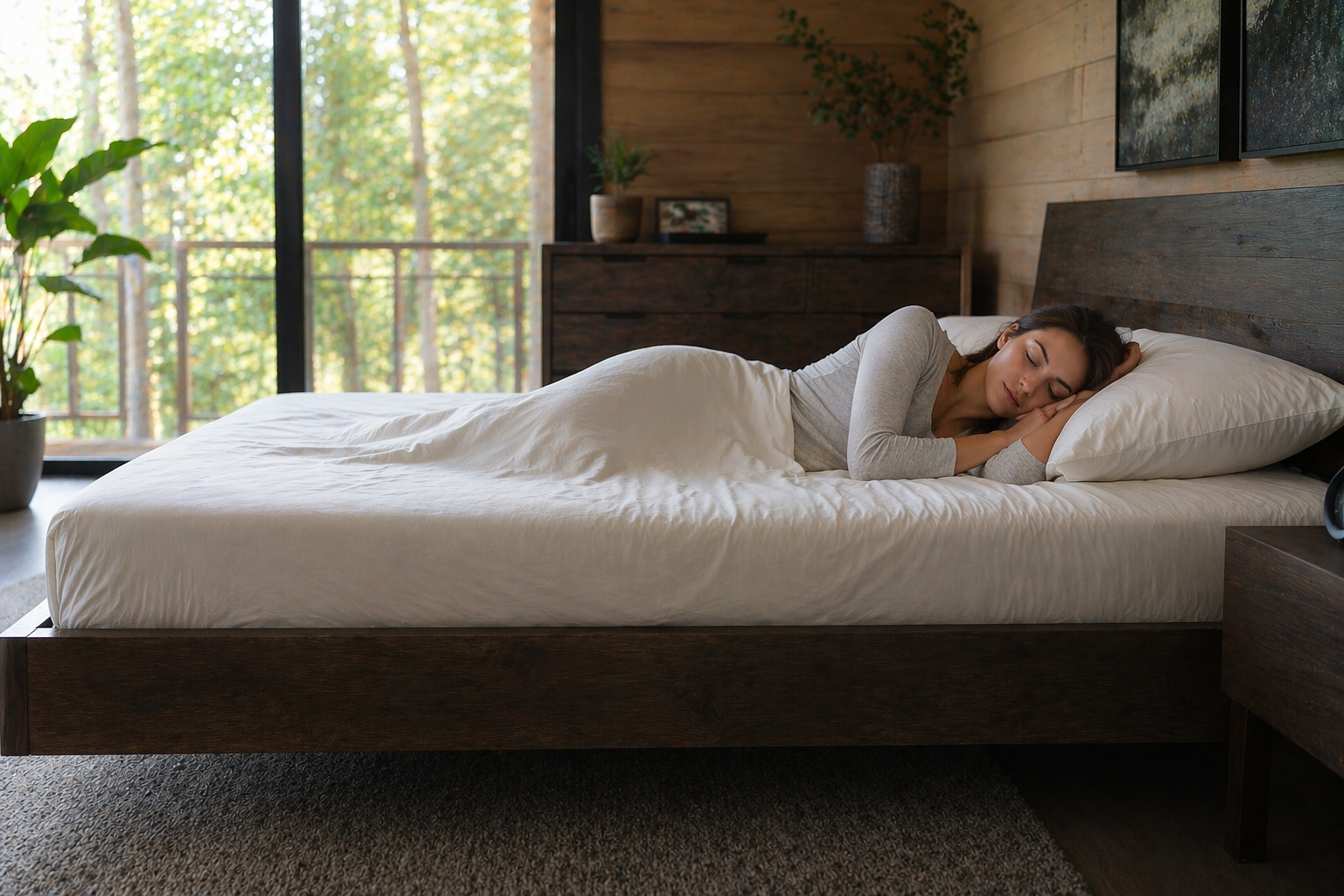
Fluid Support Systems Shift With Every Movement You Make
A mattress should not make you work harder to get comfortable. Traditional beds stay fixed, which means your body has to keep adjusting just to find the right position. Waterbeds for sale take a different route, letting the surface shift with you so support feels natural instead of forced.
As your body settles, the mattress responds in real time without any delay. Small movements no longer turn into restless nights or constant repositioning. Waterbed Bargains offers options designed to keep that support consistent, so comfort does not fade after a few hours.
Everything works together to reduce pressure, limit resistance, and keep your body aligned without effort. Sleep starts to feel smoother because the surface adapts instead of holding you in place.
Below is a closer look at how fluid support systems respond to every movement you make.
Key Takeaways
- Sleep feels different when the surface moves with you instead of staying fixed in place.
- Every shift in your body is met with an instant adjustment, keeping support steady without interruption.
- A fluid system keeps pressure balanced through the night so your body does not have to keep correcting itself.
Live Pressure Redistribution Across The Sleep Surface
Most beds let pressure settle and stay in place. That steady buildup creates the discomfort people feel hours later. A surface that can shift changes that pattern before it becomes a problem.
Inside a waterbed, support is always in motion. Areas under more weight ease off as water moves outward, while lighter areas receive more support. This creates a balanced feel that adapts to your body rather than working against it.
The result is a surface that acts as one connected system. Pressure stays spread out rather than locking into specific points. Sleep becomes more consistent because your body does not have to fight the same stress spots all night.
Does A Waterbed Respond To Small Movements While Sleeping?
Yes, a waterbed responds to even the smallest movements while you sleep. A slight shift in weight causes the water inside to move and adjust right away. This keeps support in place before pressure or discomfort can build.
That quick response makes the surface feel smooth and steady through the night. Your body stays supported without needing to wait for the mattress to catch up. Sleep feels more continuous because the bed adjusts as fast as you move.
Subtle Movement Absorption Limits Sleep Interruptions
Small movements can have a bigger impact on sleep than most people realize. A simple shift can send pressure back through the body when the surface resists it. That reaction can pull you out of deeper sleep without fully waking you up.
A waterbed handles movement in a different way. The surface gives and flows as your body adjusts, which softens the impact of each shift. This keeps your body from reacting to sudden resistance during the night.
Fewer reactions mean fewer interruptions in your sleep cycle. Your body stays more relaxed because it is not fighting the surface. Sleep feels smoother and more complete from the time you lie down to the time you wake up.
Support That Tracks Changing Body Alignment
Your body does not hold one exact posture all night. As muscles release tension and weight shifts, support needs to shift with those changes, or alignment starts to drift.
Alignment Changes As The Body Fully Relaxes
Early in the night, certain muscles still hold residual tension from the day. Once that tension fades, the body settles deeper into the mattress and changes how weight is distributed. A waterbed responds to that progression, which helps keep support aligned with your actual sleeping posture rather than your starting position.
Support Follows Weight Transfer Across Key Areas
Pressure does not remain fixed at the shoulders, hips, or lower back throughout the night. Small changes in posture move load from one area to another, and rigid surfaces often fail to keep up. Fluid support travels with that shift, helping each region stay supported as your body naturally changes position.
Continuous Contact Helps Limit Misalignment Stress
Gaps in support often form when the body changes shape against a static mattress. Those gaps can place extra strain on the spine and surrounding muscles over several hours of sleep. A waterbed maintains more consistent contact across the body, helping reduce the uneven pull that leads to morning stiffness.
Why Does A Waterbed Feel Like It Moves With You?
A waterbed feels like it moves with you because the support inside it stays fluid. Weight shifts cause the water to move right away, so the mattress keeps adjusting under your body. That creates a smooth, natural feel instead of the stiff response you get from a fixed surface.
The sensation comes from constant support changes happening in real time. Your body is never held in one hard position because there is no rigid structure pushing back. Sleep feels easier and more natural when the bed keeps up with every move you make.
Less Surface Drag During Position Changes
A lot of sleep disruption happens in the seconds between one position and the next. You start to roll, the mattress resists, and your body has to work a little harder than it should. That friction may seem minor, but it can make the whole night feel less smooth.
Water changes that interaction in a way you can feel right away. Instead of grabbing onto your movement, the surface shifts with it and clears the path for an easier turn. Your body can move into a new position without that stuck or dragging sensation.
Once movement feels easier, sleep tends to feel less broken. Each adjustment becomes quicker, quieter, and less likely to pull you out of rest. The night flows better because the bed does not make every turn feel like a reset.
Engineered Motion Control Without Losing Responsiveness
A lot of people still picture waterbeds as overly wavy and hard to control. Modern designs solve that problem with built-in features that calm excess motion while keeping the surface flexible. That means the bed feels steady without turning stiff or flat.
Support still moves where your body needs it most. Internal layers help reduce unwanted motion, but they do not stop the mattress from adjusting as you shift. You get a sleep surface that feels stable, balanced, and ready to respond throughout the night.
Ongoing Internal Rebalancing Through Sleep Cycles
Sleep changes your body more than people realize. Muscles relax, weight shifts, and pressure changes as the night moves on. A surface that cannot respond to those changes can start to feel uneven long before morning.
A waterbed keeps adjusting through those changes without any effort from you. Support does not stay locked to the way your body felt when you first lay down. That ongoing response helps the surface stay balanced as sleep gets deeper.
The way this rebalancing helps throughout the night includes:
- Sleep stage pressure shifts: Different sleep stages change muscle tone and body tension in subtle ways. A waterbed responds to those changes as they happen, which helps support stay matched to your body instead of falling behind.
- Settling pattern correction: The body tends to sink and redistribute weight more as the night goes on. Internal movement helps correct those shifts before they turn into uneven support or pressure buildup.
- Continuous contact maintenance: Small gaps can form under the body when a mattress stops adapting after initial compression. Fluid support keeps contact more consistent, which helps reduce strain on areas that would otherwise lose support over time.
- Long-duration comfort stability: Hours in bed can expose weak spots in a surface that seemed comfortable at first. Ongoing internal rebalancing helps the mattress maintain a more even feel from the beginning of the night through the final hours of sleep.
That steady support helps sleep feel smoother because the mattress keeps up with your body instead of forcing your body to keep correcting itself.
A System That Adapts Instead Of Wearing Down
Some beds feel great in the beginning, then slowly lose what made them comfortable. The surface gets tired, support fades, and the whole sleep experience starts to change. That decline turns a good mattress into one more thing your body has to work around.
A waterbed works in a different way. Water keeps moving and adjusting, so the support stays consistent instead of breaking down over time. You get a sleep surface that keeps doing its job night after night without losing its ability to adapt.
Where Movement Meets True Comfort In Waterbeds For Sale
Fluid support changes the way your body interacts with the mattress from the moment you lie down. Every shift is met with a response that keeps pressure balanced and support steady without effort. Waterbed Bargains delivers that experience with systems built to adapt, not wear down over time.
Keep reading to see how built-in heating gives you direct control over your sleep temperature and overall comfort.
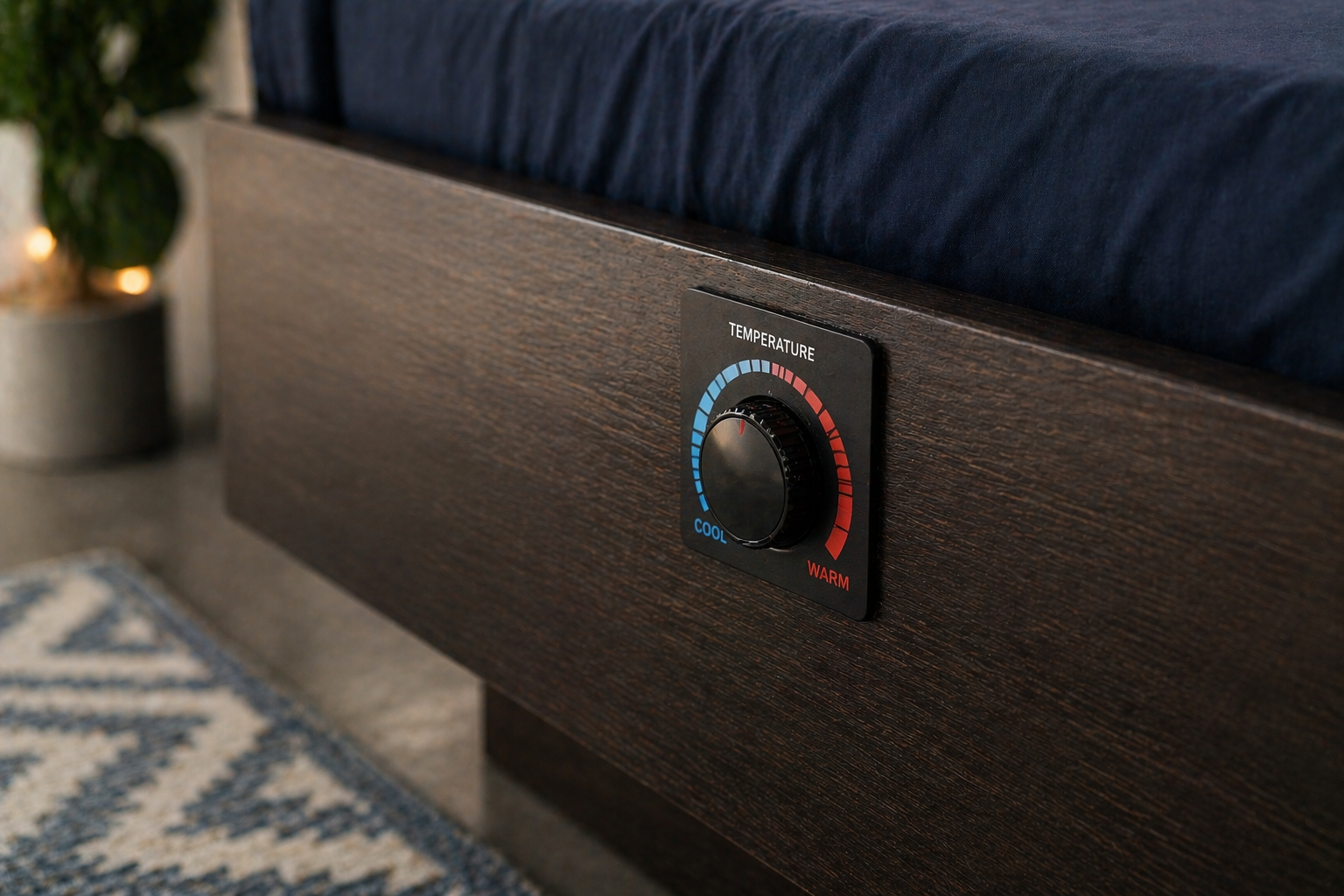
Integrated Heating Creates A Controlled Sleep Temperature Environment
Sleep problems often trace back to something people rarely think about. A waterbed mattress gives you direct control over the temperature you sleep on, which changes how your body relaxes at night. Waterbed Bargains makes that level of control easy to bring into your bedroom without overcomplicating your setup.
Temperature swings, cold spots, and overheating can quietly break up your sleep cycle. Integrated heating works behind the scenes to keep your sleep surface steady, so your body doesn't have to keep adjusting. Comfort becomes something you set once and rely on instead of chasing every night.
Here are the ways controlled heat transforms your sleep environment.
Key Takeaways
- Your sleep improves when your bed maintains a steady temperature, rather than forcing your body to adjust all night.
- Controlled heat helps you fall asleep faster and stay asleep longer without chasing comfort.
- A consistent sleep surface turns your bed into a system your body can rely on every night.
Heat Calibration That Matches Your Body’s Natural Drop At Night
Your body does not fall asleep the moment you get into bed. It starts sleep when the conditions feel steady, safe, and right for rest.
Integrated heating helps create that kind of setting by keeping the mattress at a set temperature as you relax for the night. That control helps the body ease into sleep rather than fight through minor comfort issues first.
Your Body Notices Small Temperature Changes Fast
The body reacts quickly when a bed feels slightly too cool or too warm. Even minor shifts can keep the body alert longer than most people realize. A calibrated sleep temperature helps remove that friction before it turns into restlessness.
Consistent Warmth Builds A Stronger Sleep Pattern
The body responds well to repeatable signals at night. When the bed feels the same night after night, it becomes part of a pattern the body can trust. That makes it easier to settle down without needing extra time to get comfortable.
Better Heat Control Protects The First Stage Of Sleep
The first part of the night is when sleep is still easy to interrupt. Uneven warmth can keep the body half-aware rather than fully relaxed. Controlled heat helps protect that early sleep window by keeping the bed climate steady from the start.
Thermal Retention In Water Prevents Sudden Temperature Drops
Most beds lose heat quickly as the room gets colder. A waterbed works differently because the water inside holds heat longer and releases it slowly through the night. That helps keep your bed steady so it doesn't turn cold while you sleep.
That steady warmth gives your body fewer reasons to wake up and readjust. Room temperature can shift, but the sleep surface stays more even and reliable. Waterbed Bargains helps create a sleep setup that feels calm, stable, and easier to count on every night.
Micro Adjustments Replace Bulky Bedding Changes
Big comfort swings can make bedtime feel harder than it should. Extra blankets, heavy layers, and frequent changes can make the bed feel crowded and uneven. Small heat adjustments offer a simpler way to get the comfort level right.
A quick temperature change can do more than another blanket ever could. You get more control without pulling covers on, pushing them off, or reworking the whole setup. The bed feels easier to manage and much more consistent.
Less clutter on the bed can also help your body settle faster. A cleaner sleep space feels calmer, smoother, and more predictable at night. When comfort comes from precise control, sleep stops feeling like trial and error.
Does A Heated Waterbed Help You Fall Asleep Faster?
Yes, a heated waterbed can help you fall asleep faster. A warm sleep surface feels welcoming the second you lie down, so your body can relax sooner instead of bracing against a cold bed. That smoother start can make the trip from bedtime to sleep feel shorter and easier.
Cold bedding can slow everything down because your body has to work harder to get comfortable first. Gentle warmth removes the extra step and helps you settle in without the usual tossing and turning or cover shifting. Over time, this can help create a bedtime pattern that feels more natural and easier to repeat.
Consistent Warmth Reduces Nighttime Tossing And Turning
Sleep gets broken up when the bed feels uneven. A steady sleep surface helps your body stay calm rather than reacting to hot and cold spots throughout the night.
Small temperature changes can cause more movement than people realize. A heated waterbed helps keep the warmth more even, so your body has an easier time staying in one place. Less surface disruption can lead to a quieter, more restful night.
Here is how steady warmth supports better rest:
- Fewer Position Changes: A bed with uneven warmth can make one area feel good while another feels off. Even heat helps your body settle in without feeling pushed to roll over again and again.
- Looser Muscles At Night: Tightness can build when the body never feels fully comfortable. Gentle warmth can help the body feel more relaxed, which makes it easier to stay still.
- Less Build Up Of Minor Discomfort: A cool patch or warm pocket can seem small at first. Over time, those little issues can lead to more movement and lighter sleep.
- More Confidence In The Sleep Surface: The body rests better when the bed feels stable every night. A more dependable temperature can help sleep feel smoother and less interrupted.
When comfort stays consistent, your body can spend less time adjusting and more time resting.
Surface Warmth Supports Muscle Decompression Over Time
Your body carries the day into bed more than you think. Tight shoulders, a stiff back, and sore legs can make it hard to relax once the lights go out fully. Gentle surface warmth helps those areas ease up slowly, so your body can settle into sleep with less tension holding it back.
A heated waterbed distributes warmth evenly across the entire body rather than just one spot. That creates a more balanced feeling, which can help muscles loosen in a more natural way during the night. Over time, that kind of full-body comfort can support better recovery and leave you feeling less worn down in the morning.
Temperature Stability Minimizes Disruptions From External Climate Shifts
Weather outside can change quickly, but your bed shouldn't have to follow suit. A heated waterbed helps create a more protected sleep space, so your comfort does not rise and fall with the room. That steady feel can make the whole night less frustrating.
Indoor temperatures can shift more than people notice. A vent kicks on, the air gets cooler, or the room starts feeling different after midnight. A heated waterbed helps hold a more even sleep climate, which gives your body fewer reasons to wake up and react.
Better sleep often comes down to removing small problems before they grow. When the bed keeps its own steady warmth, outside changes have less power over your comfort. That can lead to a calmer night and a more rested morning.
Reduced Overheating Through Controlled Heat Instead Of Heat Trapping
A bed can feel great at first and miserable a few hours later. Many traditional mattresses hold onto body heat and keep building it as the night goes on. That slow heat buildup can leave you waking up hot, sweaty, and uncomfortable.
A heated waterbed works in a more controlled way. Warmth comes from a set temperature instead of random heat getting trapped under your body. You get the comfort of a warm bed without the heavy, stuffy feeling that can ruin sleep later.
This kind of balance makes a real difference over a full night of rest. Your body stays comfortable without dealing with extra heat that keeps creeping up. Sleep feels smoother because the bed stays warm in a steady way instead of turning too hot over time.
A Repeatable Sleep Environment That Conditions The Body For Rest
Good sleep gets easier when your bed feels familiar every night. A heated waterbed helps create the same warm, steady setting each time you lie down. Your body starts to recognize that pattern as a signal that rest is coming.
Night after night, that repeat experience can make bedtime feel smoother and less stressful. You spend less time adjusting, waiting, or trying to get comfortable enough to drift off. Over time, the body learns the routine, and sleep can start to feel more natural and more dependable.
Reap the Rewards of a Heated Waterbed
A steady sleep surface changes more than comfort, it changes how your body behaves once you lie down. Waterbed Bargains gives you control over that environment so your bed works with you instead of against you. Better sleep starts when temperature stops shifting and starts staying consistent.
Up next, see how even support takes pressure off your body and helps reduce muscle strain while you sleep.
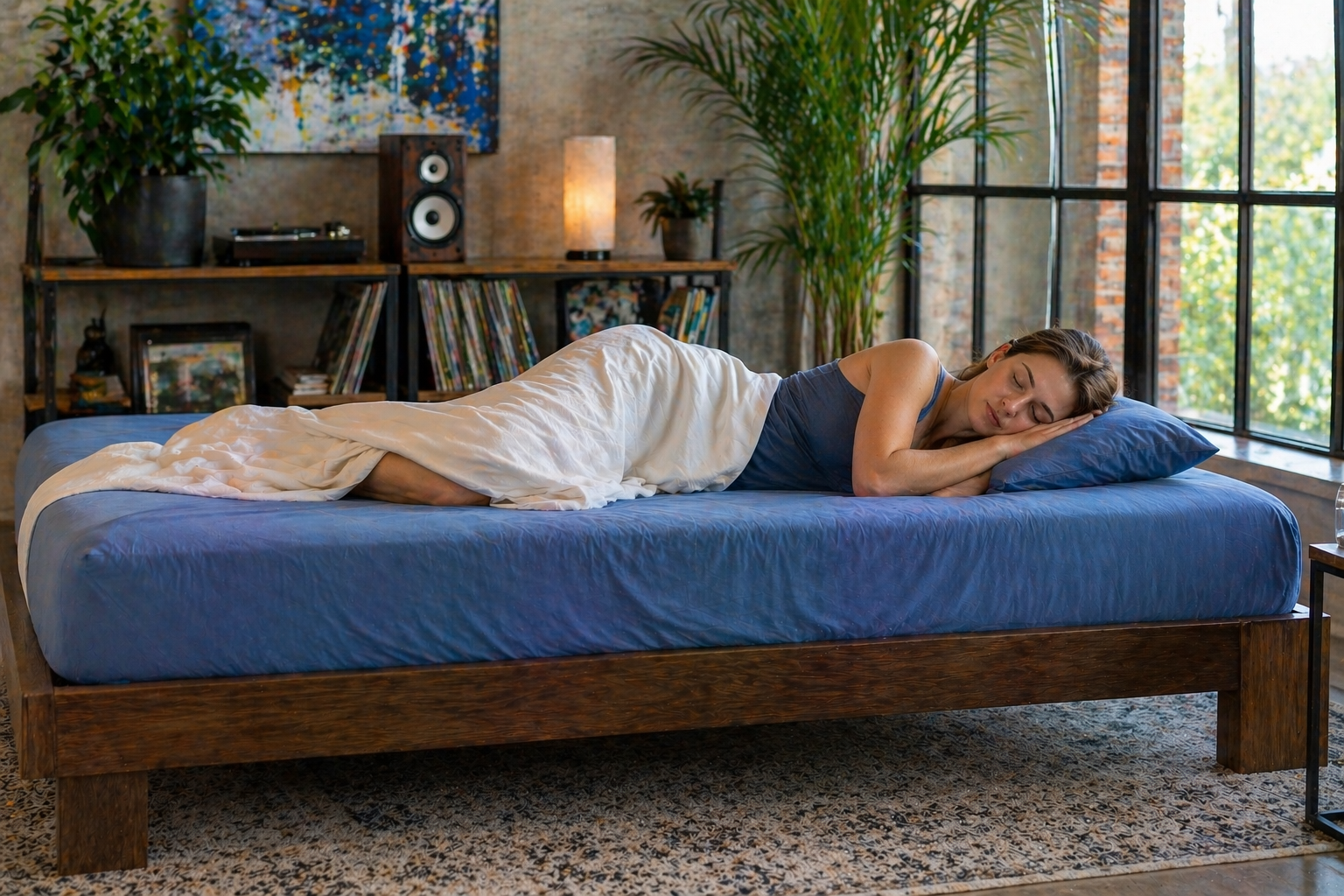
Even Support Reduces Subtle Muscle Strain During Sleep
Muscle tension during sleep often goes unnoticed until it starts affecting how you feel during the day. A waterbed store like Waterbed Bargains offers a different approach that focuses on how the body actually rests at night. Even support plays a bigger role than many people realize in reducing strain and helping muscles fully relax.
Small imbalances in a mattress can quietly keep the body active for hours. Waterbeds work differently by creating a surface that adjusts evenly and reduces those hidden stress points. Waterbed Bargains offers options designed to support the body in a way that feels natural rather than forced.
Read on to see how even support can change the way your body recovers during sleep.
Key Takeaways
- Even support helps your muscles work quietly all night to keep your body aligned.
- A surface that adapts evenly can reduce hidden tension that builds up without you noticing.
- Better support during sleep can shift your body from constant adjustment into real recovery mode.
Balanced Surface Pressure Eliminates Nighttime Muscle Guarding
Your muscles should be resting at night, not standing watch. When a mattress puts too much pressure on one area and too little on another, the body reacts fast. Muscles tighten up to protect those weak spots, even while you sleep.
A waterbed helps stop that cycle with support that feels more even across the body. Weight spreads out better, so no one shoulder, hip, or lower back area takes on too much stress. Less pressure imbalance gives your muscles a real chance to let go.
This can change how your body feels the next day. Sleep becomes less about constant protection and more about actual recovery. When muscles stop guarding through the night, mornings can feel looser, lighter, and more refreshed.
Can An Uneven Mattress Keep Your Muscles Active All Night?
Yes, and most people do not realize it is happening. A mattress that feels uneven can make your body work in the background while you sleep, almost like it is trying to keep itself steady on a surface that never fully settles. Sleep may still happen, but real physical rest gets harder when your muscles keep stepping in to manage those small balance shifts.
A waterbed changes that experience because the surface supports the body in a more even way. Instead of forcing certain areas to brace, twist, or compensate, it helps the body stay more level through the night. Less hidden effort means your muscles can spend more time relaxing and less time cleaning up the problems caused by poor support.
Continuous Support Keeps The Spine From Triggering Muscle Corrections
A mattress can look fine and still put your back in a bad position all night. When the spine is in an awkward angle, the body tries to correct it on its own. Muscles stay active in the background, which can leave sleep feeling less restorative.
Waterbeds take a different approach: the surface moves with the body rather than resisting it. As weight settles in, support stays more even across the back, hips, and shoulders. That helps the spine rest in a more natural, less forced position.
Once the spine stops fighting the mattress, the muscles around it can finally ease up. Sleep becomes a time for recovery rather than constant correction. A body that stays supported through the night has a better chance of waking up feeling loose, stable, and recharged.
Pressure-Free Contact Points Reduce Localized Tension Build-Up
Pressure does not have to feel sharp to cause a problem. Even mild force in the wrong spot can make the body tighten up and stay tense for hours.
A waterbed helps ease that strain by spreading weight more evenly across the body. This gives muscles a better chance to stay relaxed, rather than reacting to a single overloaded area again and again.
Shoulders And Hips Feel Less Pinned Down
Shoulders and hips often take the most pressure during sleep. When those areas press too hard into the mattress, the body starts holding tension around them. A more even surface helps those joints settle without making nearby muscles stay on guard.
Small Discomforts Stop Growing Through The Night
A little pressure can turn into a bigger problem after a few hours. One sore spot can lead to more shifting, more tightness, and less real rest. Even support helps stop that buildup before it spreads.
Muscles Stay Calmer In The Same Position Longer
The body relaxes better when it does not need to keep reacting. Pressure-free contact points make it easier to stay in one position without feeling stuck or strained. That can help sleep feel deeper, and the body feel less worn down in the morning.
Does Even Support Improve Overnight Muscle Recovery?
Yes, even support can help overnight muscle recovery. When your body rests on a surface that feels balanced, your muscles can finally stop stepping in to handle small pressure and alignment problems. That gives your body a better chance to recover while you sleep.
A waterbed helps create a more steady place for rest. Your body stays supported in a more natural way, so muscles can stay relaxed for longer. Better support at night can lead to less tightness and a more refreshed feeling in the morning.
Smooth Motion Response Limits Reflex Muscle Activation
Some mattresses make every small movement feel bigger than it should. A simple shift in your legs or a turn of your shoulders can create a firm pushback that makes the body tense up right away. Sleep gets harder to protect when the surface keeps sending that kind of sharp signal back.
Waterbeds feel different because the motion response is softer and more gradual. The surface gives with your movement instead of snapping back against it. That smoother reaction helps the body stay calmer during normal position changes at night.
Less sudden feedback can mean less unwanted muscle activity while you sleep. Your body moves, settles, and relaxes again without the same level of resistance getting in the way. When the mattress offers a gentler feel, muscles are better able to stay quiet through the night.
Equalized Support Prevents Side-To-Side Imbalance
A mattress does not have to sag badly to throw your body off. Even a small difference in support from left to right can change how you rest, and your muscles often end up paying for it while you sleep. One side starts working harder to stay steady, which can leave you waking up feeling uneven and tight.
Waterbeds help avoid that problem because the support stays more balanced across the bed. Instead of letting one side bear more strain, the surface adjusts to help the whole body rest more evenly. When both sides can settle the same way, sleep feels smoother, and your body gets a better chance to recover without that quiet tug of imbalance running through the night.
Reduced Compression Keeps Muscles In A Neutral State
A bed can feel fine at first, then slowly create pressure in the wrong spots. Your body reacts to that pressure without waking you up. Muscles tighten just enough to protect those areas, which keeps them from fully relaxing.
Waterbeds help change that by spreading your weight more evenly. One area does not take on too much force, while another gets less support. This helps your body stay in a more natural, relaxed position throughout the night.
Here is how that difference shows up while you sleep:
- Tension Stays Local Instead of Spreading: Pressure in one spot can cause the muscles around it to tighten. Even support helps stop that tension from moving into other areas of the body.
- Joints Sit In A More Natural Position: Too much compression can shift how joints rest against the bed. A more balanced surface helps joints stay steady without pulling muscles into extra work.
- Body Position Feels More Natural: Muscles relax better when the body is not pushed into awkward angles. Even support helps you stay closer to a neutral position all night.
- Recovery Feels More Complete: Muscles need quiet time to recover during sleep. Less pressure means fewer small disruptions, which helps the body feel better in the morning.
When pressure stays under control, your body can finally rest without having to adjust all night.
Stable Support Minimizes Disruptions During Position Changes
Turning over at night should feel smooth, not like starting over. Some beds make every move feel like a reset, which can wake your body up more than you think. Muscles react whenever the surface shifts harshly or unevenly.
A waterbed keeps support more steady even as you change positions. The surface adjusts with you instead of forcing your body to find a new balance point. This helps reduce the small bursts of muscle activity that can interrupt rest.
Better support during movement helps your body settle faster after each shift. You move, get comfortable, and relax again without extra effort. That smoother transition can help sleep stay deeper and less broken through the night.
Soothe Your Aching Muscles With the Help of a New Waterbed
Even support changes how the body behaves during sleep, turning passive rest into real recovery. Waterbed Bargains offers solutions that eliminate the small stress points that quietly wear down muscles over time. A better surface leads to less tension, smoother sleep, and a body that feels more reset each morning.
In the next section, see how wave control layers reshape movement into a stable, controlled sleep experience that adapts to your preferences.
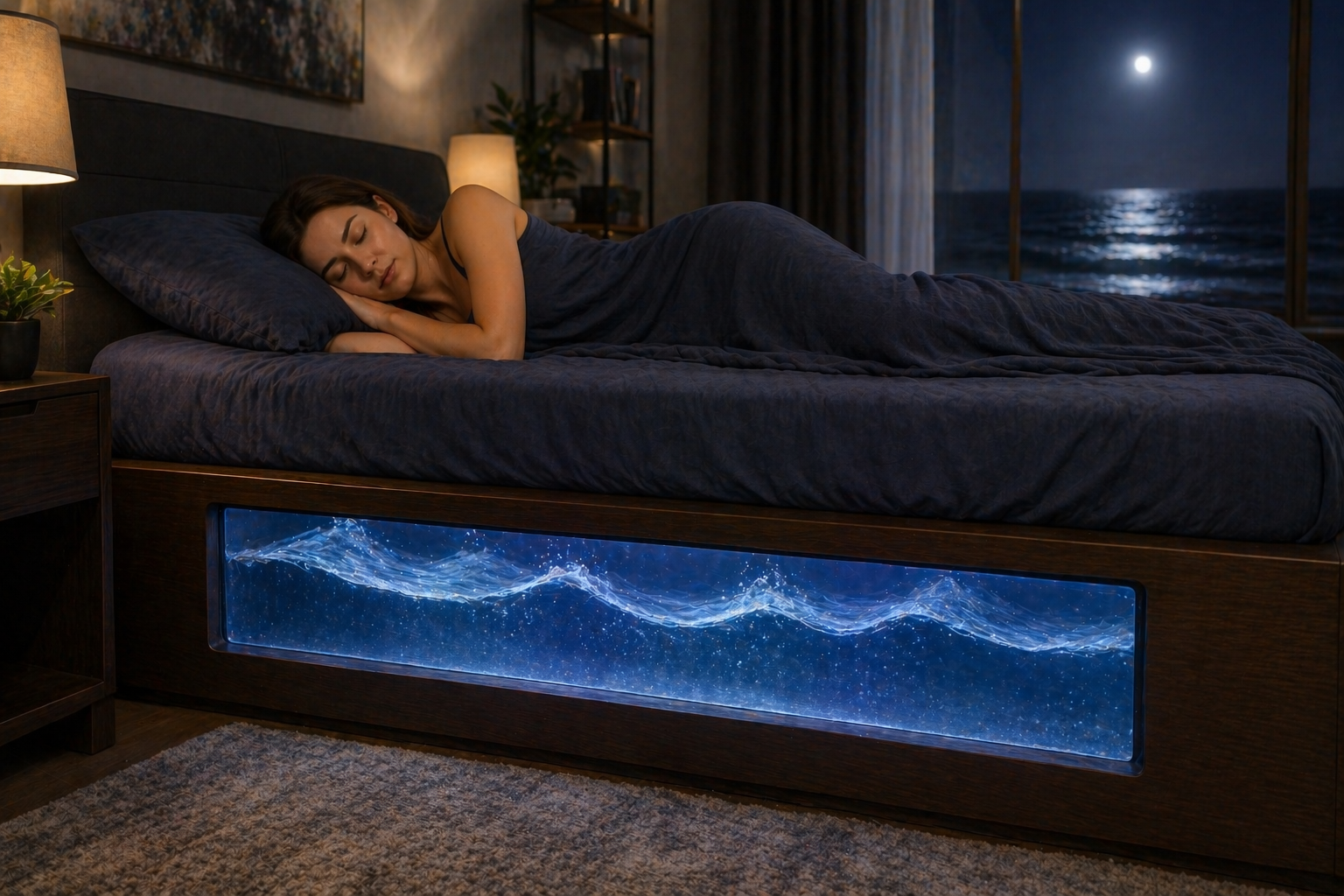
Wave Control Layers Transform Movement Into Stable Support
A lot has changed in how modern sleep systems are built and experienced. A waterbed mattress now uses internal design features that control movement in ways older models never could. Wave control layers play a major role in shaping how stable and supportive the surface feels.
Movement no longer travels freely across the entire bed. Internal layers break it up, manage it, and keep it from disrupting your rest. Waterbed Bargains offers high-quality options that reflect how far these systems have come.
Small changes beneath the surface create a completely different sleep experience. Stability, comfort, and control all come together in a way that feels intentional and consistent. Read on to see how wave control layers transform movement into stable support.
Key Takeaways
- Wave control layers turn loose water movement into a steady surface that feels easier to sleep on.
- Motion stays contained rather than spreading, helping reduce nighttime disruptions.
- Modern design changes reshape how a waterbed mattress supports your body from the inside out.
Large Waves Get Stopped At The Source
One small movement used to ripple through the entire mattress and throw everything off. That old experience made waterbeds feel unpredictable and hard to control. Today’s design stops that problem before it even has a chance to build.
Wave control layers step in the moment pressure hits the surface. Each layer breaks that force into smaller pieces that lose strength fast. Energy fades early, so it never builds into a full wave that spreads across the bed.
A calmer surface changes how sleep feels night after night. Partners can move without sending motion across the mattress. The bed stays steady, so your body can stay relaxed and supported.
What Stops A Waterbed From Moving Too Much At Night?
Wave control layers stop a waterbed from moving too much at night. These internal layers spread out the energy from each movement, so it loses strength fast. Motion stays contained instead of rolling across the entire surface.
Fiber structures inside the mattress absorb and soften each shift as it happens. Movement fades within the bed rather than reaching the other side. Sleep stays quiet and steady even when positions change.
A Calmer Surface Without Losing Responsiveness
Lie down on a modern waterbed mattress and the change is easy to notice. The surface adjusts to your weight, yet it settles quickly instead of continuing to move. That balance makes the bed feel more stable without losing its natural comfort.
Each shift in position gets a quiet response instead of a rolling wave. Support builds right where your body needs it, while extra motion fades out fast. The waterbed mattress still feels flexible, but it stays controlled and predictable.
Sleep becomes easier when the surface works with you instead of against you. Movement feels smooth and contained rather than distracting. A waterbed mattress now delivers comfort that adapts without constant shifting.
Movement Stays Where It Starts
A single shift no longer sends energy across the entire waterbed mattress. Modern wave control systems confine motion to the exact spot where pressure is applied, creating a more controlled and predictable sleep environment.
Targeted Pressure Containment
Internal baffle systems divide the mattress into controlled zones that respond independently. These structures interrupt the natural flow of water, so energy cannot spread beyond its starting point. Each section absorbs and manages its own force, keeping the surrounding areas steady.
Zoned Stability Reinforcement
Layered fiber inserts work alongside these barriers to reinforce stability in high-pressure areas. Heavier movements get absorbed faster because these zones are designed to handle concentrated force. Support builds under the body without triggering movement in other parts of the bed.
Consistent Sleep Position Support
Localized response helps the mattress maintain alignment as you move through the night. The body stays supported in one area without disrupting balance across the rest of the bed. This creates a more reliable feel that holds steady from one position to the next.
Less Motion Means Less Muscle Compensation
Ever wake up feeling sore even after a full night in bed? That can come from your body working overtime to stay steady on a moving surface. Subtle shifts force your muscles to stay engaged when they should be resting.
A modern waterbed mattress reduces that hidden effort with built-in wave control layers. These layers keep movement in check, so your body does not have to keep correcting itself. Stability allows your muscles to loosen instead of staying tense through the night.
Real rest happens when your body can fully switch off. A calmer surface supports you without constant adjustments or strain. You wake up feeling more at ease because your muscles relaxed instead of reacting.
Built-In Control Reduces Setup Guesswork
Setting up a waterbed used to feel like a guessing game. Too much water created waves, while too little made the bed feel stiff. That back-and-forth left many people frustrated before they ever got comfortable.
Modern waterbed mattress designs remove most of that uncertainty. Wave control layers are built in from the start, so they manage movement without constant tweaking. The bed works the way it should with far less trial and error.
A more consistent feel makes a big difference night after night. You spend less time adjusting and more time actually resting. Comfort becomes easier to achieve because the control is already built into the mattress.
Motion Absorption Works Instantly
A small shift should not turn into a rolling wave that follows you across the bed. Older designs allowed that buildup, which made every movement feel bigger than it was. Modern wave control layers stop that process the moment it starts inside the waterbed mattress.
Energy gets absorbed right away instead of gaining strength as it moves. Internal materials slow the motion before it can travel beyond the point of contact. The surface stays steady because there is no time for waves to grow.
Here is how that instant control changes the feel of the mattress:
- Immediate Energy Breakdown: The internal fiber layers react the second pressure is applied and begin dispersing that force. This rapid response prevents motion from forming into a larger wave pattern.
- Localized Dampening Effect: Motion stays confined to a small area because the surrounding layers resist its spread. This containment keeps the rest of the mattress unaffected and stable.
- Reduced Momentum Transfer: Water movement loses speed quickly as it meets resistance from structured layers. That loss of momentum stops motion from carrying across the bed.
- Consistent Surface Stability: Each layer works together to maintain balance across the mattress at all times. Stability stays intact even during frequent position changes throughout the night.
The result is a waterbed mattress that feels controlled, steady, and reliable every time you lie down.
A More Predictable Sleep Experience Every Night
Ever notice how hard it is to relax when your bed feels different every night? That lack of consistency keeps your body on edge, even when you are tired. A well-designed waterbed mattress removes that uncertainty and brings a steady feel you can rely on.
Each movement gets the same controlled response, no matter how often you shift positions. The mattress does not overreact or change its behavior throughout the night. That steady performance helps your body settle in faster without second-guessing the surface.
Over time, your sleep improves because your body knows what to expect. A consistent feel helps you stay asleep, even with small disruptions. Nights become more restful because the mattress supports you the same way every time.
Stability You Can Feel Every Night With Wave Control Layers
Wave control layers turn what used to be unpredictable movement into something steady and reliable. A waterbed mattress from Waterbed Bargains shows how controlled motion can improve both comfort and sleep quality. Support feels more consistent because the surface works with your body rather than against it.
Check out the next section to see how non-porous surfaces help create a cleaner sleep environment with less dust and fewer allergens.
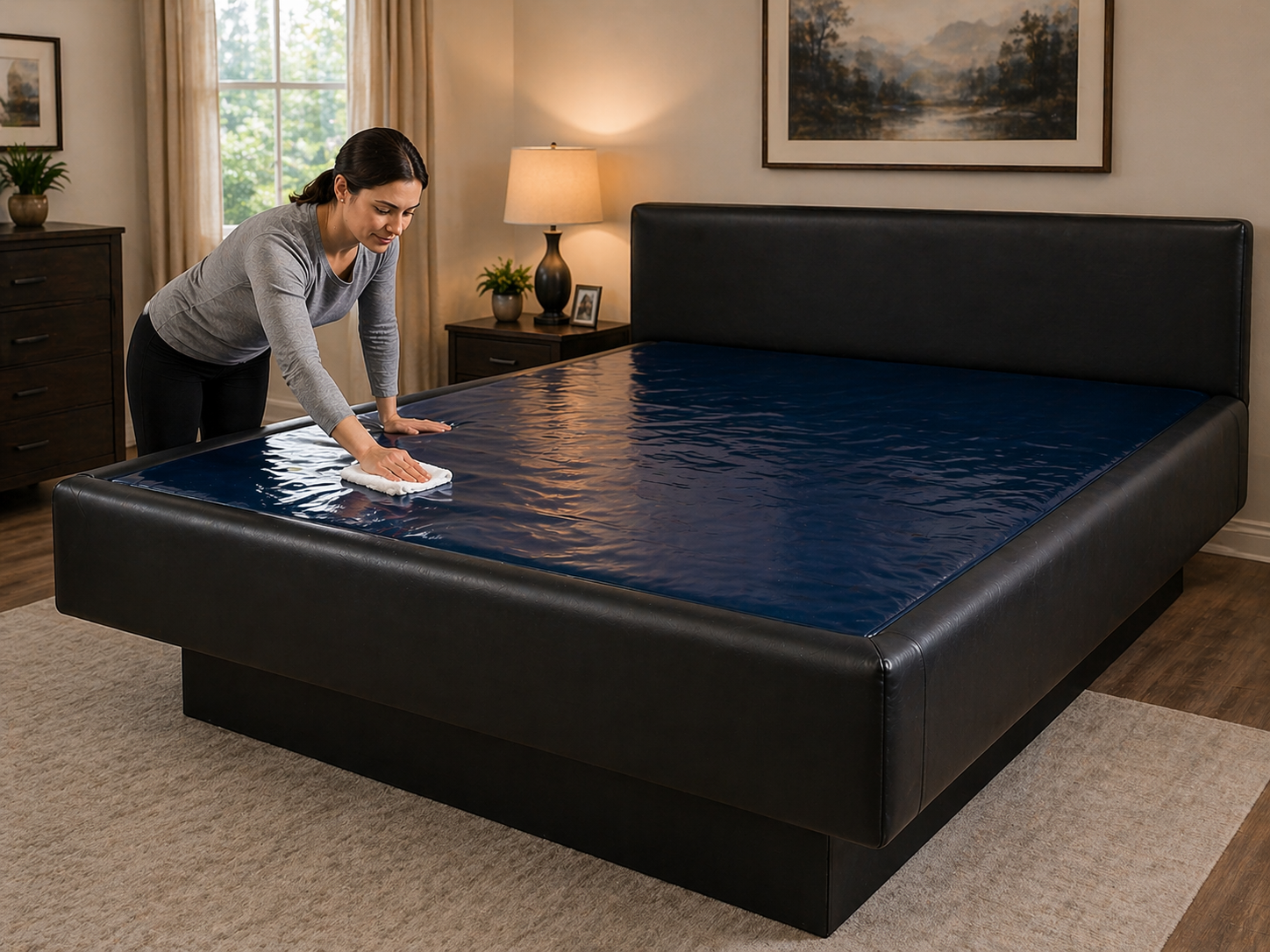
Non-Porous Surfaces Limit Dust And Allergen Accumulation
Dust and allergens build up over time in ways many people do not think about. A visit to a waterbed store often reveals a different approach to how mattresses handle that problem. Waterbeds remove common materials that tend to hold onto particles and create long-term buildup.
A non-porous design changes how cleaning works and how often it needs to happen. Instead of dealing with what collects deep inside, focus shifts toward keeping the surface clear. That difference noticeably shapes the overall sleep environment.
Waterbed Bargains offers options designed with both comfort and cleaner living in mind. Shoppers looking for a simpler way to manage dust and allergens often find value in that design. The benefits go beyond comfort and start with how the mattress is built.
Keep reading to see how each feature works together to limit dust and allergen accumulation.
Key Takeaways
- Dust and allergens stay on the surface rather than being trapped inside the mattress.
- Cleaning becomes quick and visible instead of deep and time-consuming.
- Daily use no longer pushes debris deeper, which helps keep the bed cleaner over time.
No Internal Layers Means Nothing Gets Trapped
What you cannot see inside a mattress is often what affects your sleep the most. A waterbed mattress removes that hidden problem by eliminating the internal spaces where dust and allergens tend to collect.
Sealed Construction Blocks Deep Contamination
A sealed interior prevents particles from traveling beyond the outer surface. Air movement and body pressure no longer push debris into hidden layers over time. This creates a barrier that keeps contaminants from becoming part of the mattress itself.
No Fiber Fill Means No Long-Term Retention
Traditional padding materials act like holding zones for dust, skin cells, and allergens. A waterbed mattress prevents these materials from entering, so there is nothing inside to capture and store debris. Without retention points, buildup cannot accumulate in the same way.
Surface Level Exposure Changes Maintenance
All particles remain exposed rather than being buried in layers of fabric and foam. Cleaning becomes a direct process since everything stays accessible at the top. This shift reduces the risk of long-term contamination affecting the sleep environment.
Cleaning Stays Quick and Consistent
Most mattresses make cleaning feel like a chore you keep putting off. Dust settles in, and it takes real effort to deal with it properly. A waterbed mattress changes that routine in a way that feels simple right away.
A quick wipe is usually all it takes to clear the surface. There is no need for deep cleaning or special tools to get the job done. That ease makes it much more likely that cleaning actually happens on a regular basis.
Small habits lead to better results over time. Keeping the surface clean prevents dust and allergens from building up in the first place. The waterbed mattress stays fresher because maintenance stays consistent without extra effort.
Pet Hair and Dander Stay On Top
Pet owners know how fast hair and dander can take over a bed. It sticks, spreads, and seems to find its way into every layer. A waterbed mattress keeps that mess where you can actually deal with it.
Hair and dander stay on the surface instead of working their way inside. Nothing pulls it down or traps it beneath layers over time. A quick pass with a cloth or a vacuum clears it with little effort.
Daily use no longer pushes debris deeper into the bed. What you see is what you clean, and that makes a big difference. Over time, the space stays noticeably cleaner even with pets around.
Moisture Does Not Carry Particles Inside
Moisture can turn a clean bed into a hidden problem fast. Damp fabric pulls in dust and allergens, then holds onto them deep inside. A waterbed mattress avoids that issue with a sealed, non-porous surface.
Liquid stays on the surface instead of soaking in and dragging particles along. Dust and allergens cannot hitch a ride into the mattress because there is no path inward. That barrier keeps buildup from settling where it cannot be reached.
A drier surface also makes it harder for debris to stick around. Conditions that usually trap and hold particles never fully develop. The result is a cleaner sleep space that stays easier to manage over time.
No Hidden Debris From Material Breakdown
Most mattresses wear down in ways you never see. Foam and fibers break apart and leave behind fine particles inside the bed. A waterbed mattress removes that issue because it does not rely on those materials.
The long-term difference becomes clear as the mattress ages:
- No Material Breakdown Inside: Foam and fabric layers release small particles as they wear out. A waterbed mattress has no layers to break down, so nothing builds up within the structure.
- No Mixing Of Debris: Traditional beds accumulate worn material, dust, and allergens over time. A waterbed keeps the interior free from that mix because there is no space for it to collect.
- Less Hidden Buildup Over Time: Aging materials create more areas for dust to settle and stay trapped. A waterbed mattress avoids that cycle, which helps limit buildup as years pass.
- More Consistent Interior Condition: Most mattresses change as internal layers compress and shift. A waterbed maintains a steady structure because it does not depend on materials that break down.
This keeps the inside of the mattress cleaner and more stable over the long run.
Airflow Does Not Push Particles Into The Bed
Most people never think about what happens inside a mattress when they shift at night. Each movement pushes air around, and that air can carry dust deeper into layered beds. Over time, that hidden movement adds to buildup you cannot see.
A waterbed mattress changes that pattern with a sealed surface that blocks inward airflow. Particles stay right where they land instead of being driven into the structure. This keeps dust from spreading beyond the surface with each movement.
Cleaner conditions are easier to maintain when nothing gets pushed out of reach. What collects stays visible and simple to remove. The bed stays fresher because airflow no longer works against you.
Daily Use Does Not Increase Internal Buildup
Most people never connect everyday movement with what builds up inside a mattress. Each shift presses particles deeper, even when the surface looks clean. Over time, that hidden process adds up in ways you do not notice right away.
A different design changes how that buildup happens from the start. With a waterbed mattress, there are no layers to compress or trap debris beneath you. Movement no longer drives particles into places you cannot reach.
That small change leads to a big difference over time. Daily use stops working against you behind the scenes. The sleep space stays cleaner because nothing gets pushed out of sight.
There’s No Denying the Advantages of a New Waterbed
Hidden buildup stops being part of the equation when the mattress design removes places for it to collect. A waterbed keeps dust and allergens on the surface, where they can be cleaned up quickly rather than buried over time. Waterbed Bargains offers options that make long-term cleanliness feel less like a chore and more like a built-in advantage.
Check out the next section to see how liquid core design avoids the breakdown seen in traditional beds and what that means for long-term performance.
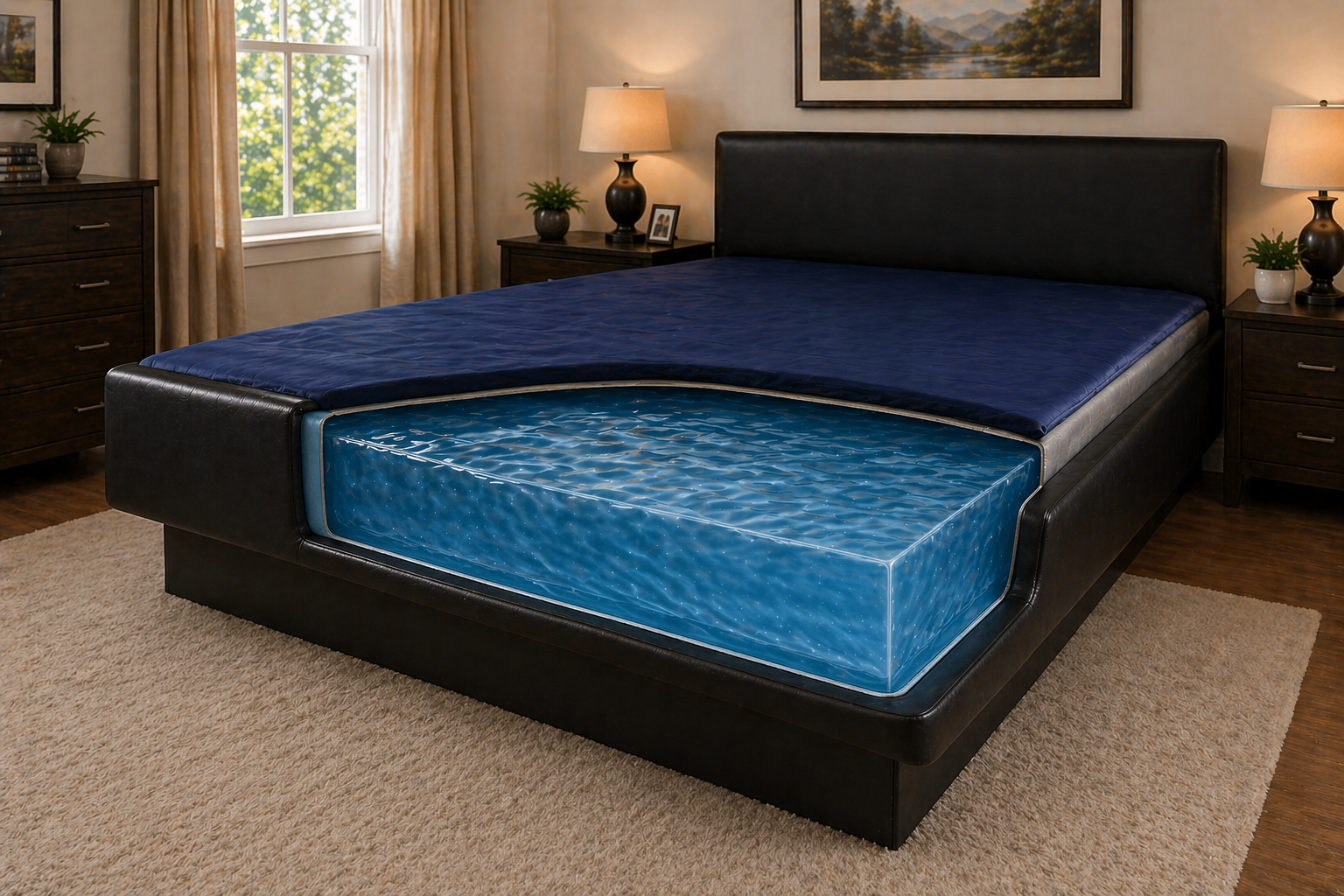
Liquid Core Design Avoids The Breakdown Seen In Traditional Beds
Traditional mattresses break down in ways most people don’t notice until sleep starts to suffer. Foam softens, coils shift, and support fades in the spots that matter most. A waterbed mattress works differently, using fluid support that holds steady night after night.
Many buyers replace beds more often than expected because hidden wear builds up over time. That cycle costs more and leads to inconsistent sleep quality. Waterbed Bargains offers a different path with designs that avoid the weak points found in standard beds.
Below, you’ll learn how a waterbed mattress holds its structure longer and delivers more reliable support.
Key Takeaways
- Most mattresses break down in ways you don’t notice right away, but your sleep feels it long before you see it.
- A waterbed mattress holds its shape and support without the dips, soft spots, or uneven wear that show up over time.
- Better structure means fewer replacements, more consistent comfort, and a sleep surface that doesn’t quietly fail on you.
Early Foam Wear Changes Support Before You Notice
Most mattresses start losing support long before they look worn out. Foam weakens little by little with every night of use. That change happens under the surface, so it is easy to miss at first.
Gradually, pressure from your body changes how foam responds. Areas that once felt firm begin to give more than they should. Support becomes uneven, even though the mattress still looks fine on the outside.
A liquid core handles this differently, maintaining a steady response over time. Support stays consistent because nothing is breaking down inside. Sleep feels more reliable since the mattress does not quietly lose its strength.
Coil Fatigue Creates Uneven Sleep Zones
What feels like a small dip can start as a hidden problem deep inside the mattress. Springs take repeated stress in the same areas, and they begin to lose strength over time. That wear does not spread evenly, which creates imbalances you may not see right away.
As those sections weaken, your body starts to settle unevenly during sleep. One area may sink more while another stays firm, which can throw off your posture. Rest becomes less comfortable as your body adjusts throughout the night.
A liquid core design avoids that uneven shift altogether. Support remains consistent across the entire waterbed mattress, preventing weak spots from forming. Your body stays level because the structure underneath does not wear down in sections.
Multiple Layers Mean Multiple Points Of Failure
More layers might sound like better support, but each one adds another place where things can go wrong. Over time, those materials respond differently to pressure, which creates an imbalance inside the mattress.
Uneven Compression Creates Internal Instability
Each layer reacts to weight at its own pace, which leads to uneven compression across the bed. Softer materials may break down faster, while denser layers hold their shape longer. That mismatch creates internal shifts that affect how the mattress feels from the top.
Layer Separation Disrupts Support Flow
As materials age, they can begin to separate or lose cohesion with surrounding layers. This breaks the smooth transfer of support from top to bottom. The result is a surface that feels less connected and more unpredictable during use.
Compounding Wear Reduces Long-Term Performance
Wear does not happen in isolation when multiple layers are involved. One failing layer puts added stress on the others, speeding up overall breakdown. A simpler waterbed mattress design avoids this chain reaction by reducing the number of components that can fail.
Compression Damage Builds With Every Night Of Use
Every night leaves a mark on a traditional mattress, even if you cannot see it. Materials get pressed down again and again in the same spots. That steady pressure slowly wears out the structure inside.
Foam and padding lose their ability to bounce back after repeated use. Areas that once felt firm begin to stay compressed longer. Support fades little by little without any clear moment when it fails.
A waterbed mattress works in a different way that avoids that breakdown. Liquid support does not wear out or lose shape under pressure. The feel stays consistent because nothing inside is getting crushed over time.
Edge Reinforcement Fails Under Repeated Stress
The edges of a mattress often wear out before anything else. Sitting, getting in, and sleeping near the sides puts constant pressure on those areas. Over time, that repeated stress weakens the materials meant to hold the edge in place.
As the perimeter starts to give, the usable sleep space shrinks. You may find yourself avoiding the edges because they feel unstable. That shift happens even while the center still feels supportive.
Here is how edge failure develops and why it matters:
- Concentrated Pressure Weakens The Perimeter: Daily habits like sitting on the edge focus weight in a small area. That repeated strain causes edge materials to break down faster than the rest of the mattress.
- Support Loss Spreads Inward: Once the edge begins to collapse, nearby areas also lose stability. This creates a gradual slope instead of a firm boundary, which affects how the entire mattress feels.
- Reduced Structural Integrity Over Time: Edge reinforcement relies on materials that compress and wear out with use. As they weaken, they lose the ability to hold shape under normal pressure.
- Uneven Pressure Distribution Accelerates Wear: Traditional designs rely on edge support rather than evenly distributing weight. A waterbed mattress avoids this issue by distributing pressure evenly across the entire surface, so no single area bears excessive strain.
A more balanced design helps maintain consistent support across the full mattress without weak points forming along the edges.
Heat Exposure Speeds Up Material Breakdown
You settle in at night, and your body heat starts to do more than keep you warm. That warmth softens the materials beneath you, even if you never think about it. Over time, that softening makes the bed easier to press down in the same spots.
As those areas take on more pressure, they begin to wear out faster than the rest of the mattress. Support starts to fade where your body needs it most, which can throw off how you sleep. What feels comfortable at first can slowly turn uneven without any clear warning.
A waterbed mattress responds in a more stable way under heat. The liquid core does not soften or break down with body warmth. That steady response helps the bed feel the same each night, without hidden changes building up over time.
Gradual Breakdown Reduces Performance Without Warning
A mattress rarely fails in a way that is easy to spot. Changes happen slowly, which makes it hard to tell when support starts slipping. Nights may feel slightly different, but nothing seems obvious at first.
Over time, those small changes begin to stack up. Areas that once felt balanced start to shift and lose their strength. Comfort fades in a way that feels gradual but ends up affecting your sleep more than expected.
That is why a waterbed mattress stands apart.
Removing Weak Materials Improves Long-Term Reliability
Every material inside a mattress has a lifespan, whether you see it or not. The more components involved, the greater the chance that something will fail in daily use.
Fewer Components Mean Fewer Failure Points
Each added layer or material creates another place where wear can begin. Foam can soften, springs can lose tension, and adhesives can weaken over time. A simplified structure removes these variables and reduces the risk of uneven breakdown.
Consistent Support Without Material Conflict
Different materials respond to pressure and temperature in different ways. Over time, that mismatch creates inconsistencies in how the mattress supports your body. A liquid core design avoids this conflict by relying on a single, stable support system.
Durability Comes From Structural Simplicity
Complex designs often rely on multiple elements working together to maintain performance. When one part starts to fail, it can affect the entire system. Waterbed Bargains focuses on eliminating those weak links to create a mattress that holds up more reliably over time.
Reap the Reards of a Waterbed Mattress
Traditional beds slowly fall apart in ways that affect sleep quality long before they look worn out. A waterbed mattress avoids those hidden breakdowns by keeping support consistent across the entire surface. Waterbed Bargains offers options designed to hold up over time without the weak points that cause early failure.
See how better weight distribution can improve circulation and comfort in the next section.
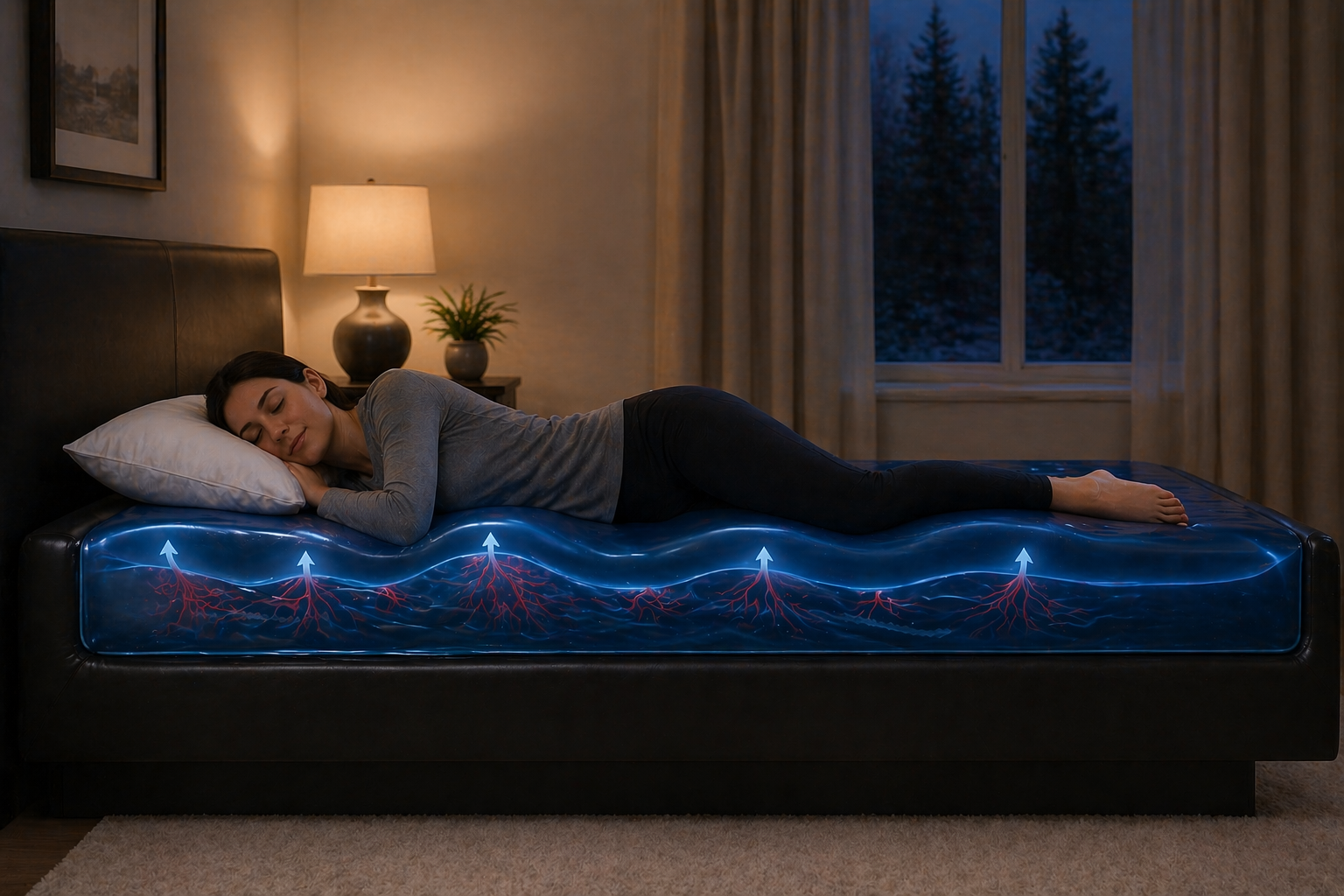
Balanced Weight Distribution Supports Healthier Blood Flow Overnight
Sleep quality often goes beyond comfort. A visit to a trusted waterbed store like Waterbed Bargains can change how the body feels after a full night of rest. Waterbeds offer a different kind of support that works with the body instead of pushing against it.
Uneven pressure during sleep can quietly affect circulation, leading to stiffness, numbness, and constant movement. Balanced support allows the body to stay relaxed while blood continues to flow without restriction. Small changes in how weight is distributed can lead to noticeable improvements in how you sleep and recover.
Read on to see how balanced weight distribution supports healthier blood flow overnight.
Key Takeaways
- Even support helps your blood flow stay steady while you sleep.
- Pressure points can cause numbness and make you move more at night.
- A mattress that adapts to your body can help you sleep deeper and wake up feeling better.
Targeted Relief Where Circulation Often Slows
Pressure builds fast in the hips and shoulders once the body settles in for the night. These spots carry more weight, so they take the hit on a firm mattress. Blood flow can slow down, which leads to numbness and constant shifting.
A waterbed changes how that pressure is handled. The surface moves with your body and spreads weight across a wider area. Blood keeps moving through those heavy zones, so your body stays more relaxed.
Less pressure means fewer nighttime wake-ups. Your body stays still longer because it feels supported in the right places. You wake up with less stiffness and more energy to start the day.
What Causes Tingling or Numbness While Sleeping?
That pins-and-needles feeling starts when blood flow slows, and nerves get squeezed. Too much weight sits in one spot and cuts off easy movement under the skin. The body reacts fast, which is why you wake up to shake it off.
Hard mattresses can trap your body in one position for too long. Shoulders, hips, and arms take most of the load while the rest of the body stays still. Circulation drops in those areas, and the tingling begins to build.
Waterbeds ease that pressure before it becomes a problem. The surface shifts with you and spreads your weight across a larger space. Sleep stays deeper, and those sudden wake-ups happen less often.
Natural Contouring That Supports Continuous Flow
Your body has curves, but most beds stay flat. That mismatch leaves small spaces under your back and along your sides. Weight shifts to other areas, and your body works harder just to stay comfortable.
Over time, that uneven support starts to wear on you. Certain spots sink too deep while others barely touch the surface. Blood flow has to adjust around those pressure points, which can leave you tossing and turning.
Real comfort comes when your whole body feels supported at once. A waterbed adapts to your shape and fills in those missed areas as you settle in. Circulation stays steady, and your body can fully relax into sleep.
Less Tossing Means More Stable Circulation
Waterbed mattresses reduce the need for constant movement during sleep. Your body shifts at night as pressure builds and blood flow slows. Fewer pressure points mean your system stays calm instead of reacting all night.
Micro-Adjustments Disrupt Deep Sleep Cycles
Small movements can disrupt your sleep pattern, even if you do not fully wake up. Each shift pulls you out of deeper sleep, where healing and recovery take place. Blood flow improves for a moment, then drops again when pressure returns.
Pressure Recovery Takes Time Your Body Doesn’t Get
Circulation needs time to fully return after being restricted. Areas under pressure cannot recover if movement keeps interrupting the process. The body keeps restarting instead of completing that recovery cycle.
Reduced Movement Helps Circulation Stay Consistent
Steady support helps the body stay still for longer stretches. A waterbed mattress distributes weight evenly, so pressure does not build up in one spot. Circulation stays more stable when your body does not need to keep adjusting.
Microcirculation Stays Active Under Even Support
Right beneath your skin, tiny blood vessels keep working while you sleep. These small pathways carry oxygen and nutrients to help your body recover. Pressure in one spot can slow that flow without you noticing.
Waterbed surfaces respond differently than rigid mattresses. Weight spreads out rather than pressing down on a few areas, which helps protect those small vessels. Blood can keep moving through the surface layers rather than being restricted.
Even support keeps your body in a better state through the night. Those delicate vessels stay open, so oxygen reaches where it needs to go. You wake up feeling less tight and more refreshed.
Can Mattress Pressure Affect Blood Flow Overnight?
Yes, mattress pressure can affect blood flow while you sleep. When too much weight sits in one spot, it can press into the body and slow circulation. Blood has a harder time moving through those areas, which can lead to discomfort.
That pressure tends to build in places like the hips, shoulders, and lower back. These spots carry more weight and stay under stress for hours at a time. Circulation becomes uneven, and your body may react with stiffness or restlessness.
A waterbed helps solve this problem by spreading weight across the entire surface. Pressure stays low in any one area, which supports steady blood flow. Your body stays more relaxed, and sleep feels deeper and more complete.
Temperature Balance Works With Circulation
Ever wake up feeling too hot on one side and cold on the other? That usually ties back to how your blood is moving while you sleep. Uneven flow can throw off your body’s natural ability to stay at a steady temperature.
Some sleep surfaces retain heat in certain areas while leaving others too cold. Your body keeps trying to fix that imbalance, which can pull you out of deeper rest. That constant adjustment makes it harder to stay comfortable for long.
Waterbeds give you more control over your sleep environment. You can set the temperature while the surface evenly supports your weight. Heat stays balanced, and your body can relax without fighting to stay comfortable.
Joint Pressure Relief Supports Vascular Movement
Joints carry more than movement during sleep, they also sit near key blood pathways. Extra pressure in these areas can quietly slow blood flow throughout the body.
Relief at the joints can make a bigger difference than most people expect.
- Joint Compression Limits Nearby Flow: Tight pressure around the hips and shoulders can squeeze nearby vessels. This reduces how easily blood can pass through, which can lead to stiffness and discomfort.
- Cushioning Protects Critical Pathways: Softer, adaptive support helps reduce force around joints. A waterbed cushions these areas, allowing blood to flow without restriction.
- Reduced Stress Helps Circulation Stay Steady: When joints are supported evenly, the body does not need to compensate elsewhere. This helps keep circulation balanced, rather than shifting strain from one area to another.
- Improved Support Enhances Recovery: Better blood flow around joints helps deliver oxygen and nutrients more efficiently. This supports faster recovery and reduces that heavy, sore feeling in the morning.
The result is a more relaxed body that remains supported while circulation continues uninterrupted.
Consistent Support Through Every Sleep Position
Sleep rarely stays still for long. You roll onto your side, shift to your back, then move again without thinking about it. Each change moves pressure to a new part of your body, which can throw off how supported you feel.
That is where many beds fall short. One position may feel fine at first, but the next can create new tension in your hips, shoulders, or back. Your body reacts to that shift, and blood flow has to keep adjusting instead of staying steady.
A waterbed keeps up with those changes as they happen. The surface moves with you and supports your body the same way in every position. Circulation stays smooth, so your sleep feels deeper and more consistent through the night.
Long-Term Circulation Benefits Improve Recovery
Your body does its most important repair work while you sleep. Muscles rebuild, and energy levels get restored for the next day. Strong, steady blood flow helps this process happen without delays.
Nutrients and oxygen travel through your body as you rest. Consistent circulation helps them reach areas that need repair faster. A waterbed mattress supports even weight distribution, which helps keep that flow steady.
Better recovery shows up over time in how you feel each morning. Less stiffness and soreness make it easier to move and stay active. Sleep becomes deeper, and your body gets the rest it actually needs.
Enjoy the Comfort of a Waterbed
Better sleep is not just about softness, it is about how well your body is supported through the night. Waterbed Bargains offers a smarter option with designs that reduce pressure and maintain steady circulation while you rest. A well-made waterbed shifts the focus from surface comfort to full-body support that actually improves how you feel when you wake up.
Next, see how an adaptive surface keeps up with long-term body changes.
Adaptive Surface Keeps Up With Long-Term Body Changes
Body changes happen slowly, then all at once, and your mattress has to keep up. A waterbed mattress responds differently because it adjusts instead of wearing down in fixed patterns. Long-term comfort depends on how well your bed adapts as your body shifts over time.
Sleep quality often drops when support no longer matches your current needs. Traditional materials hold onto old pressure points, while a waterbed mattress resets and responds each night. Buying a waterbed mattress from Waterbed Bargains gives you a setup that lasts without constant replacements.
Here are the ways that adaptability continues to work in your favor.
Key Takeaways
- Your mattress should change as your body changes, not stay stuck in the past.
- Comfort should last without dips, sagging, or the need to replace your bed.
- Good support should keep up with changes in weight, posture, and daily life.
Real-Time Response To Changing Body Weight
Your body does not stay the same, and your mattress should not act like it does. Even small weight changes can shift how pressure builds during sleep, which affects comfort more than most people expect.
Immediate Surface Adjustment Prevents Pressure Buildup
Traditional materials take time to respond, which allows pressure to form before support kicks in. That delay creates uneven zones where the body sinks too much or not enough. A waterbed reacts the moment weight is applied, keeping pressure from stacking in the first place.
Even Redistribution Protects Structural Alignment
Weight shifts can disrupt the support your spine and joints receive throughout the night. When support fails to adjust, the body compensates in ways that lead to strain over time. A responsive surface redistributes weight evenly, so alignment stays consistent without extra stress.
Long-Term Consistency Reduces Wear Patterns
Most mattresses develop soft spots based on repeated pressure in the same areas. Those patterns lock in uneven support and make comfort less reliable over time. A waterbed avoids this by resetting its surface with each use, so changes in body weight do not create lasting weak points.
Built-In Resistance To Sagging And Dips
Most people do not notice mattress wear until it starts affecting how they sleep. The surface slowly sinks in the same spots where weight rests each night. What felt supportive before can turn uneven without a clear reason.
As those dips deepen, your body begins to work around them. You shift more often and wake up feeling out of sync with your bed. That is where a waterbed starts to stand apart.
Once pressure is relieved, the surface returns to a level state rather than retaining those worn areas. A waterbed does not lock in dips or soft spots over time. Support remains consistent, helping your body rest the way it should.
Can A Waterbed Mattress Keep Up With Posture Changes Over Time?
Yes, a waterbed mattress can keep up as your posture changes over time. Your body shifts little by little, and support needs to adjust with it. A surface that responds in real time helps your spine stay in a natural position.
Fixed support zones can hold your body in one shape for too long. That can lead to strain when your posture no longer matches the mattress. A waterbed moves with you and supports how your body rests in the moment.
Over time, this makes a big difference in how your body feels. Support stays aligned instead of working against you. You wake up with less tension and a more balanced sense of comfort.
Supports Changing Joint and Muscle Needs
Some nights your body feels balanced, and other nights it feels off in ways you cannot ignore. Tight muscles or sore joints can appear without warning and affect how you settle into bed. When support stays the same, those shifts become harder to manage.
Pressure can build in areas that already feel sensitive. Shoulders, knees, and hips often carry more strain when the surface does not adjust. That added stress can keep your body from fully letting go and relaxing.
Better sleep starts with support that responds to what your body needs right now. A waterbed distributes weight to reduce stress on joints and tight muscles. Comfort feels more natural, even when your body is going through changes.
Adjusts Seamlessly During Life Transitions
Life can change your body faster than your mattress can keep up. Events like injury, pregnancy, or new training routines can shift how you sleep almost overnight. Support needs to adjust just as quickly if you want to stay comfortable.
Most beds struggle to handle those sudden changes. They rely on fixed materials that need time or added layers to adapt. A waterbed responds right away without needing extra setup or replacement.
The way this adaptability shows up in real life becomes clear in moments like these:
- Pregnancy Support That Evolves Daily: As the body changes, pressure shifts to new areas that need relief. A responsive surface helps reduce strain on the lower back and hips without forcing the body into one position.
- Injury Recovery Without Added Stress: Healing areas need gentle, even support to avoid further strain. A surface that adapts reduces pressure on sensitive spots so the body can rest more comfortably.
- Strength Training and Muscle Growth Adaptation: Muscle changes can create new pressure points that did not exist before. Even weight distribution helps support growing muscle groups without creating tight or overloaded areas.
- Weight Fluctuation Without Comfort Loss: Small or large changes in body weight can affect how support feels. A surface that adjusts instantly helps maintain balance and comfort without dips or uneven zones.
Comfort should not reset every time your body changes, and a surface that adapts makes that possible.
Eliminates Outdated Support Patterns
Over time, most mattresses begin to mirror old habits. Pressure builds in the same spots and leaves behind dips that never fully go away. Those marks can guide your body into positions that no longer feel comfortable.
As your needs shift, those worn areas stay the same. Support can feel uneven because the surface is stuck in the past. Rest becomes harder when your body has to adjust around those outdated patterns.
With a waterbed, each night starts fresh. Once weight is removed, the surface returns to a level state without holding onto past pressure. Support stays in sync with your body as it is today, which helps you settle in more naturally.
Handles Dual Sleepers With Different Needs
Sharing a bed sounds simple until comfort starts to clash. One person may need softer support while the other needs more stability. That difference can turn a good night of sleep into constant adjustments.
Traditional mattresses tend to lean one way or the other. One side may feel right, while the other feels off balance. That mismatch can lead to restless nights and uneven support across the surface.
Waterbeds handle this in a more flexible way. Movement on the surface shifts around each sleeper rather than forcing a single feel across the whole bed. Both people get support that fits their body, which helps sleep stay calm and uninterrupted.
Long-Term Comfort Without Extra Layers Or Fixes
Over the years, many mattresses lose their original feel. People often add pads or toppers to bring back comfort, but those fixes rarely last. The surface can end up feeling uneven and harder to trust.
Layers placed on top can slide or wear out at different rates. One area may feel soft while another feels too firm. That inconsistency can make it difficult to settle into a comfortable position.
A waterbed avoids that cycle altogether. Its design adjusts within the mattress itself, so there is no need for extra pieces. Comfort stays consistent, which helps your body relax without constant changes.
Looking For an Adaptable Sleep Surface?
Comfort should not expire just because your body evolves. A waterbed mattress keeps pace without forcing you into a cycle of replacements or quick fixes. Waterbed Bargains offers options designed to stay relevant as your needs shift, so your sleep setup keeps working long after the first night.
Now that you know about the benefits of sleeping on a waterbed mattress, it’s time to take action. Waterbed Bargains is here to help you find the right sleep surface!