
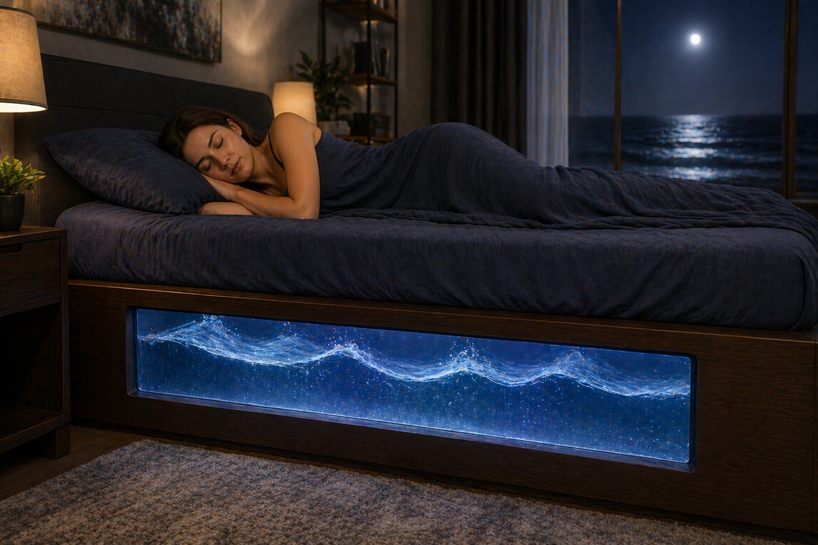
Traditional mattresses do not work for everyone. Some feel too stiff, some break down too fast, and some stop giving your body the support it needs. Many sleepers want a better option, which is why they choose to buy a waterbed online.
A waterbed gives your body support that feels more natural. It moves with you, spreads pressure more evenly, and helps reduce the strain that can build during sleep. Waterbed Bargains makes it easier to find a setup that feels comfortable now and continues to work as your needs change.
Here are the reasons you do not need a traditional mattress to get great support.
Key Takeaways
- Great support does not have to feel stiff, flat, or locked into one setting.
- A waterbed can move with your body, spread pressure out, and help reduce the small aches that ruin sleep.
- Foam and springs can wear down over time, but water support keeps your bed feeling fresh night after night.
Pressure Relief Starts Before Pain Shows Up
Pain should never be the signal that your bed is failing you. A traditional mattress can hold pressure in one spot for hours, especially around your hips, shoulders, and lower back. That pressure can build while you sleep, then show up as soreness when you wake.
A waterbed helps your body settle in a softer, more balanced way. The water moves with your shape, so your weight does not press into one hard spot all night. This can make sleep feel calmer because your body is not fighting the bed.
Early pressure relief can change how your whole night feels. Instead of tossing around after pain starts, your body gets support before discomfort takes over. That is one reason many people look for a waterbed when a regular mattress no longer feels right.
Support Should Move When Your Body Moves
A bed should not treat your body like it stays still all night. Even small shifts can change where your body needs support. When the surface cannot adjust, your hips, shoulders, and back may start to feel the strain.
Water creates support that keeps up with those changes. Each turn changes how your weight sits on the bed, and the water responds right away. That gives your body a more even feel without forcing it into one fixed spot.
Rest comes easier when your bed works with your movement. Springs can push back, and foam can hold dips longer than you want. A waterbed provides a smoother sleep surface that adapts as your body finds its most comfortable position.
Hard Does Not Always Mean Supportive
A rock-hard bed can trick you at first. It may feel solid when you lie down, but solid does not always mean your body is getting the right help. If your hips and shoulders cannot settle, your spine may end up in a poor position.
Real support should hold your body without pushing against it all night. A waterbed uses balance rather than force, so your weight can spread out more smoothly. That can help your back, hips, and shoulders feel less squeezed while you rest.
Comfort does not have to mean sinking too far or sleeping on a stiff slab. The right waterbed can provide your body with a steady place to relax without causing harsh pressure points. That makes it a smart option for sleepers who want support that feels natural, not rigid.
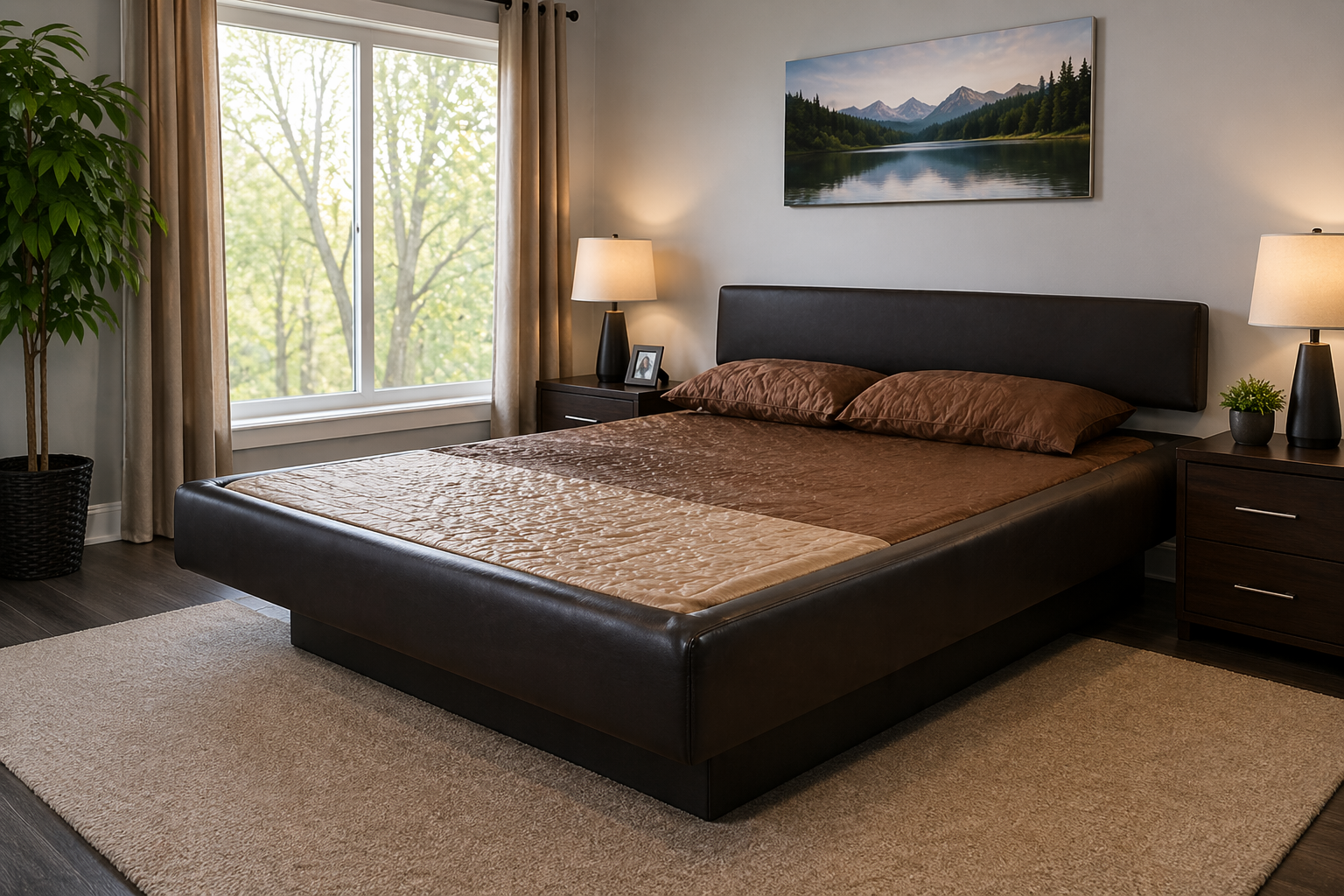
Your Hips Need More Than Cushioning
Your hips do more than sink into the bed. They help set the position for your lower back, legs, and spine while you sleep.
Hip Support Should Spread Weight Out
Soft padding can feel good at first, but it may still leave your hips carrying too much load in one small area. That can create deep pressure that builds slowly through the night. A waterbed helps spread that weight across a wider surface, so your hips don't take the full hit.
Side Sleepers Need Better Balance
Side sleepers often place more pressure on one hip at a time. If the bed drops too much under that spot, the rest of the body can fall out of line. Water support helps the hip settle while still keeping nearby areas supported, which can make your sleep position feel more even.
Deep Pressure Can Affect More Than Your Hips
Hip pressure can pull on the lower back, tighten the legs, and make it harder to stay asleep. That discomfort may not feel sharp right away, but it can still leave you waking up stiff. A waterbed gives your body a smoother way to rest, so pressure doesn't keep building up in the same spot.
Why Do Waterbeds Feel Better Than Regular Mattresses?
Waterbeds often feel better because they meet your body where it is, rather than forcing you to settle for a single flat level of comfort. Anyone who wakes up stiff knows the problem is not always sleep itself. Sometimes the bed is what keeps your body working all night.
On a regular mattress, your hips, shoulders, and back may each need something different, but the surface can only respond in one way. That is where a waterbed feels different. It shifts under each area of your body, so pressure is less likely to build up in one painful spot.
This kind of support can make rest feel more natural. You can turn, stretch, or settle in without feeling like the bed is pushing back against you. For many sleepers, that smoother give is what makes a waterbed feel easier on the body than a regular mattress.
Shoulders Sink Without Getting Trapped
Side sleepers know shoulder pain can turn a full night of sleep into a long fight for comfort. A mattress that feels too soft may swallow the shoulder, while a hard one can press into it. Water support gives that area room to ease down without leaving it stuck.
Once the shoulder settles, the rest of the upper body still needs help staying lined up. Neck strain, arm tingling, and upper back tightness can happen when support drops off around that spot. With a waterbed, the surface gives in a smoother way, so your shoulder feels cushioned and supported at the same time.
Real comfort comes from gentle support that knows when to move. When you buy a waterbed online, you can find a setup that helps your shoulders rest without deep dips or harsh pushback. Choose Waterbed Bargains for a new waterbed that helps your body settle in and sleep better.
The Bed Resets Every Night
Old sleep spots should not decide how your body feels tomorrow. Traditional mattresses can hold dips, soft areas, and worn grooves right where you rest most. Over time, those spots can pull your body back into the same strained position.
Each night on a waterbed starts with a more even feel. After your weight lifts, the water settles again instead of keeping a deep body mark. That means your bed is not shaped around yesterday’s pressure.
Fresh support matters when you want sleep that feels steady. Your hips, shoulders, and back get a surface that responds again, rather than sinking into old wear. A waterbed helps your body start over every night with support that feels smooth and balanced.
Does a Waterbed Help With Back Support?
Yes, a waterbed can help with back support because it gives the lower back steadier contact. Some regular mattresses leave small gaps under the body, which can make the back work harder while you sleep. Water support fills in those spaces more smoothly, so your spine can rest in a better position.
Back comfort often depends on how well the whole body is held. If your hips drop too low or your shoulders stay too high, your spine can feel the strain by morning. A waterbed helps spread your weight across the surface, giving your back a more balanced place to relax.
Small Adjustments Can Change Everything
A bed should not force you to live with one comfort level forever. Your body can change with stress, age, sleep position, or daily soreness. A waterbed gives you more control because you can adjust the fill level until the support feels right.
Here are the ways small fill changes can make a real difference:
- Lower back support: A small fill adjustment can help the bed better conform to the curve of your lower back. This helps reduce the empty space that can leave your back feeling tight by morning.
- Hip comfort: Extra or reduced fill can change how deeply your hips settle into the surface. That matters because the hips need enough give to relax, but enough support to stay balanced.
- Shoulder relief: The right fill level can help your shoulder ease into the bed without dropping too far. This can be helpful for side sleepers who wake up with pressure near the neck or upper arm.
- Overall feel: A small adjustment can make the bed feel softer, firmer, or more responsive without buying a whole new mattress. That gives you more room to match your bed to how your body actually sleeps.
Small changes can make your waterbed feel more personal, which is why this kind of support can work well as your comfort needs shift.
Foam Breaks Down Before You Notice
Morning soreness can start before your mattress shows a single warning sign. Foam wears out quietly under the areas you use most, even when the top still looks smooth. That slow change can leave your body resting on weak spots you cannot see.
Once foam loses its strength, support can become uneven. Your hips may dip lower than they should, while your back and shoulders struggle to stay comfortable. This is often why a bed can look “fine” but still leave you feeling stiff.
Water support works differently because it does not depend on layers that crush down over time. The liquid core keeps moving with your body, rather than forming hidden soft zones. That gives your sleep surface a fresher feel night after night.
Springs Create Weak Zones Over Time
A spring mattress can wear out in places you may never notice at first. The coils under your hips, shoulders, and back often carry the hardest load. Once those coils weaken, the bed can stop holding your body in a steady way.
Hidden dips can change how your whole body rests. One side may feel lower, or the middle may lose the lift your back needs. That uneven support can leave you waking up sore, unaware that the mattress is the reason.
Water support skips the weak coil problem completely. Instead of relying on separate springs, a waterbed distributes your weight across the entire surface. Your body gets a smoother place to rest, without worn-out zones pulling you out of line.
Better Alignment Comes From Full Contact
Your spine rests better when the whole body feels supported. If your hips sink too low or your lower back fails to make contact with the bed, small strains can build while you sleep. That strain may show up later as stiffness, even if the mattress felt fine at first.
A waterbed helps close those support gaps. The surface adjusts under your shoulders, back, hips, and legs, so your body has a more even place to settle. This fuller contact can help your spine stay in a more natural position through the night.
Better sleep often starts with fewer places for tension to hide. When your body is held more evenly, it does not have to fight dips, hard spots, or empty spaces under your back. That smoother support can make a waterbed feel easier on your body than a regular mattress.
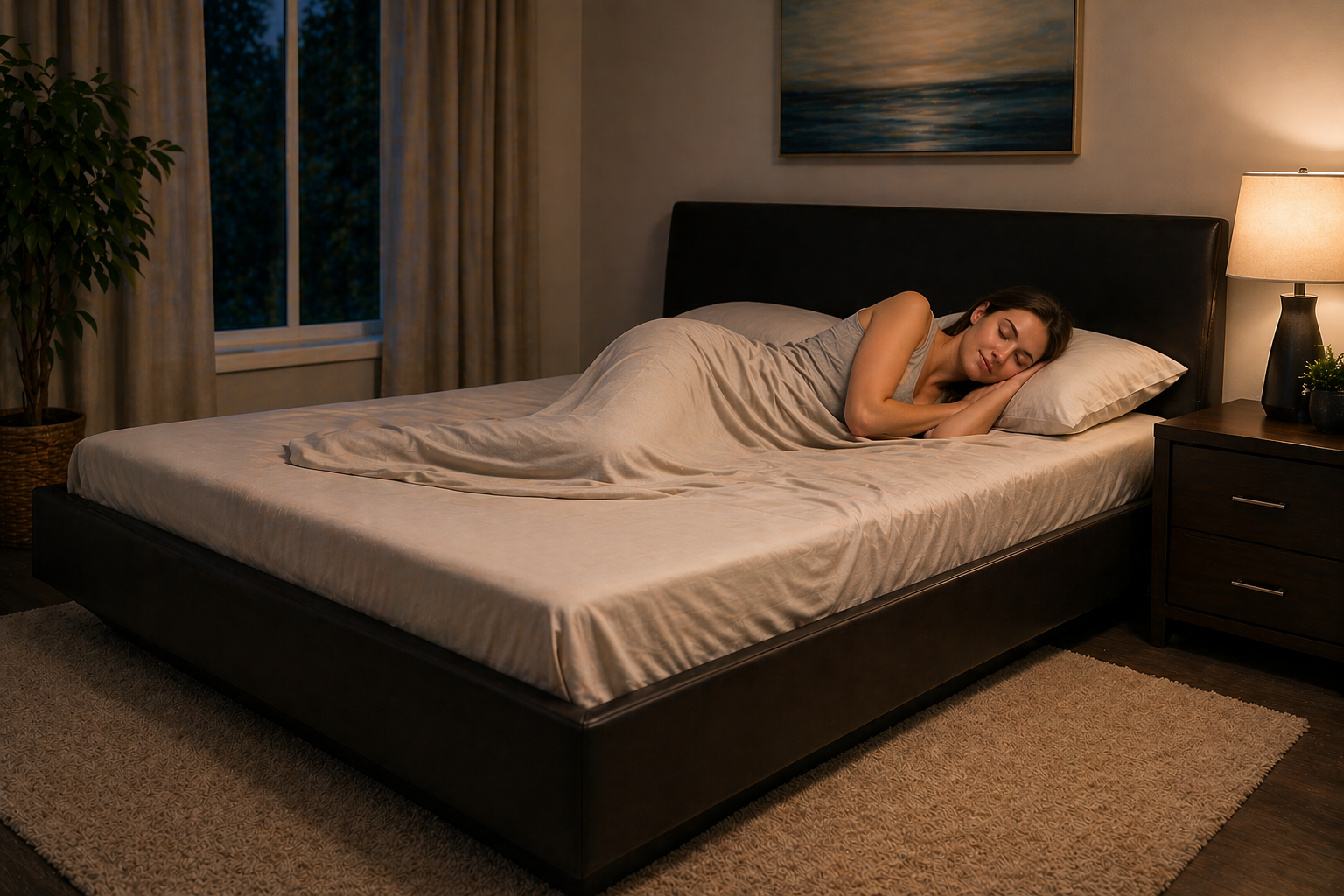
Less Tossing Means Less Sleep Damage
A restless night can do more than leave you tired. Each time your body has to move away from pressure, your sleep can become lighter, shorter, and less helpful.
Pressure Can Pull You Out Of Deep Sleep
Deep sleep works best when your body feels safe and settled. If pressure builds under your hips, shoulders, or back, your body may shift before your mind fully wakes up. Those small moves can still break the steady rest your body needs.
Movement Can Keep Your Muscles On Guard
Your body should relax during sleep, not keep searching for a better spot. When a mattress keeps creating pressure, your muscles may stay slightly tense as they wait for the next move. A waterbed helps calm that cycle by providing your body with a smoother surface to rest on.
Better Support Helps Sleep Stay Steady
A bed that responds well can help your body stay comfortable for longer stretches. Water support spreads weight more evenly, so one sore spot is less likely to take over the night. That can help you wake up feeling more rested instead of worn down from constant shifting.
Your Body Changes, So Your Bed Should Too
Your bed should not be stuck in the past while your body keeps changing. Sore muscles, weight shifts, busy days, and age can all change what feels comfortable at night. A mattress with one fixed feel may stop working long before it looks worn out.
A waterbed gives you more room to adjust as your needs change. The fill level can be fine-tuned to make the bed feel softer, firmer, or more responsive when your body asks for something different. That kind of flexibility helps support feel more personal, rather than forcing you to replace the whole bed.
Circulation Needs Space to Work
Numb arms or tingling shoulders can be a sign your bed is putting too much force in one place. When pressure stays trapped under your body, blood flow has less room to move the way it should. That can turn a normal sleep position into a reason you wake up and shift around.
A regular mattress can press harder under the hips, shoulders, and arms because those areas carry more weight. Once that pressure builds, your body may react with pins and needles or a heavy feeling in one spot. A waterbed helps spread that force, so your body is not pinned against a single hard point.
Better circulation support starts with giving your body space to rest. Water moves with your shape instead of pressing back in one tight area. That smoother feel can help your arms, shoulders, and hips stay more comfortable through the night.
It’s Time to Buy a Waterbed Online
A traditional mattress can feel stiff, worn out, or wrong for your body. A waterbed gives you support that moves with you and spreads pressure more evenly. Waterbed Bargains makes it easy to choose a bed that feels better, lasts longer, and helps you sleep with less strain.
Frequently Asked Questions
Is a waterbed a good choice for everyday sleep?
Yes, a waterbed can be a good choice for everyday sleep because it supports your body without locking you into one stiff feel. It moves with your weight, spreads pressure out, and helps your body rest with less strain.
How does a waterbed support your back without springs?
A waterbed supports your back by using water to fill gaps under your body. This helps your spine stay more balanced without relying on coils, foam layers, or hard pressure.
Can a waterbed feel firm without feeling hard?
Yes, a waterbed can feel firm without feeling hard because the water level can be adjusted. This gives you steady support while still letting your body settle into the bed.
Why do some people switch from a regular mattress to a waterbed?
Many people switch because regular mattresses can sag, wear down, or create pressure points over time. A waterbed offers a more responsive feel that can keep up with your body as your sleep needs change.
Does a waterbed help reduce morning stiffness?
A waterbed may help reduce morning stiffness by spreading weight more evenly across the sleep surface. Less pressure on the hips, shoulders, and back can help your body wake up feeling looser.