
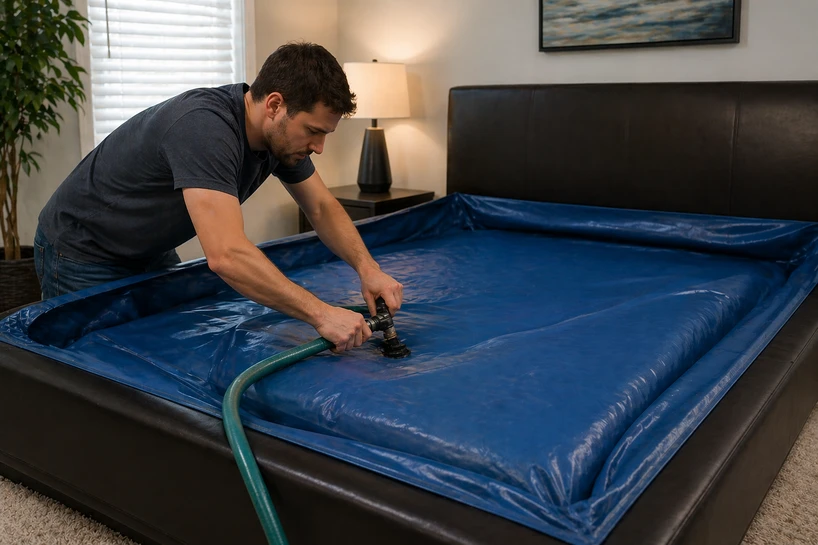
A low-motion waterbed can feel calm and comfortable through the night. Waterbed stores offer several options for people who want less movement while they sleep. Waterbed Bargains gives shoppers a simple way to compare those choices.
Sleep needs can vary from one person to the next. Some people want a softer feel, while others want more control over movement. The right waterbed can make the whole setup feel more balanced.
Here are the main things to consider when choosing a low-motion waterbed setup.
Key Takeaways
- Low-motion waterbeds use different designs to control how much movement you feel at night.
- Couples can reduce sleep disruptions with options that keep each side of the bed more independent.
- Mattress type, support, and motion control can all change how calm a waterbed feels.
Start With Waveless Construction
A waveless waterbed can give you the feel of water without as much motion after you move. Internal support helps calm the mattress faster, which can make the bed feel more settled through the night.
Compare Different Motion Levels
Waveless mattresses are not all built to feel the same. Some allow a little movement, while others are made to calm almost right away. Knowing how much motion you enjoy can help narrow the choices before you buy.
Think About How You Share the Bed
A partner who changes positions often can make motion control more important. Less movement across the mattress can help keep one person's tossing and turning from disturbing the other side. Couples should consider both sleepers rather than choosing based on one person's comfort.
Check the Feel Before Choosing
Motion control can change how responsive the mattress feels under your body. Some sleepers like a firmer, steadier surface, while others still want more of the classic waterbed feel. Testing different options can help you find a balance that feels right instead of choosing by the label alone.
Skip Free Flow for a Calmer Bed
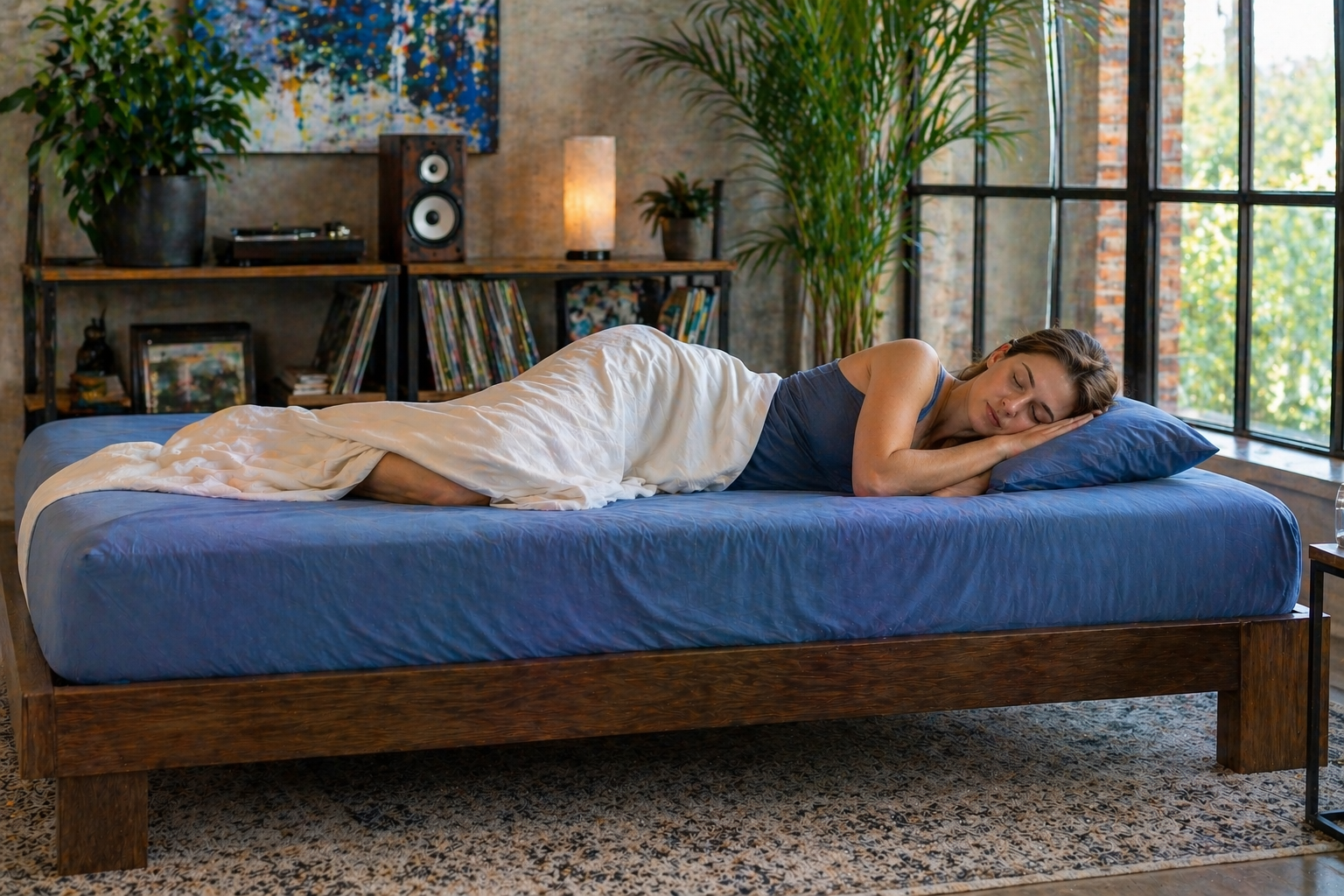
Free-flow waterbeds move a lot because the water can shift freely inside the mattress. That classic wave feeling can be fun for some sleepers, but it may feel too active for others. People who wake easily may prefer a design that settles down faster after they move.
Stronger motion control can make the bed feel calmer without taking away the soft feel of water. A waterbed store can help compare free-flow and waveless options based on how much movement feels comfortable. Choosing the right motion level can make a big difference in how relaxed the bed feels at night.
Use Waveless Ratings as a Guide
Waveless ratings can make mattress shopping much easier when motion control matters. Each rating gives you a general idea of how quickly the water settles after you shift positions. Higher ratings usually point toward a calmer feel with less noticeable wave action.
Waterbed Bargains offers mattresses with different levels of motion control. Comparing those options can help you decide whether you want a little movement or a much steadier surface. Your sleep habits should guide the choice more than the number alone.
Side sleepers, light sleepers, and couples may all prefer different amounts of movement. Someone who wakes easily may feel better on a mattress with stronger wave reduction. Picking the right rating can help the bed feel comfortable without giving up the waterbed experience.
Are Dual-Chamber Waterbeds Better for Couples?
Yes, dual-chamber waterbeds can work well for couples who want less movement from the other side of the bed. Separate water chambers help limit how much one sleeper feels when the other changes position. That setup can make nighttime movement less distracting.
Couples may also like having more control over how each side feels. Some dual systems allow separate support levels or temperature settings for each sleeper. Different comfort needs become easier to manage without forcing both people to sleep on the same setup.
Let Fiber Layers Do the Work
A calmer waterbed starts with what is built inside the mattress, not what you see on top. Fiber layers help slow the water as it shifts after someone moves. The amount, placement, and design of that fiber can change how quickly the bed settles.
The internal construction can reveal how well the mattress is built to manage motion:
- Fiber Placement Changes How Water Moves: Fiber spread across more of the mattress can help interrupt wave action before it travels very far. A design with large open areas may allow more noticeable movement between sections of the bed.
- Layer Density Affects The Overall Feel: Thicker or denser fiber can create a steadier surface with less free movement underneath. Lighter construction may preserve more of the floating feel that some sleepers still want.
- Fiber Stability Matters Over Time: Internal material should stay in place as the mattress is filled, drained, and used. Fiber that shifts or bunches can change how evenly the bed controls motion across the sleeping surface.
- Construction Should Match Your Comfort Goal: Stronger wave reduction can feel very different from a mattress designed to keep more movement. Looking past the cover and comparing the inside design can help you choose the feel you actually want.
Understanding the fiber system makes it easier to judge how the mattress will behave once you are sleeping on it every night.
Keep Internal Fiber From Shifting
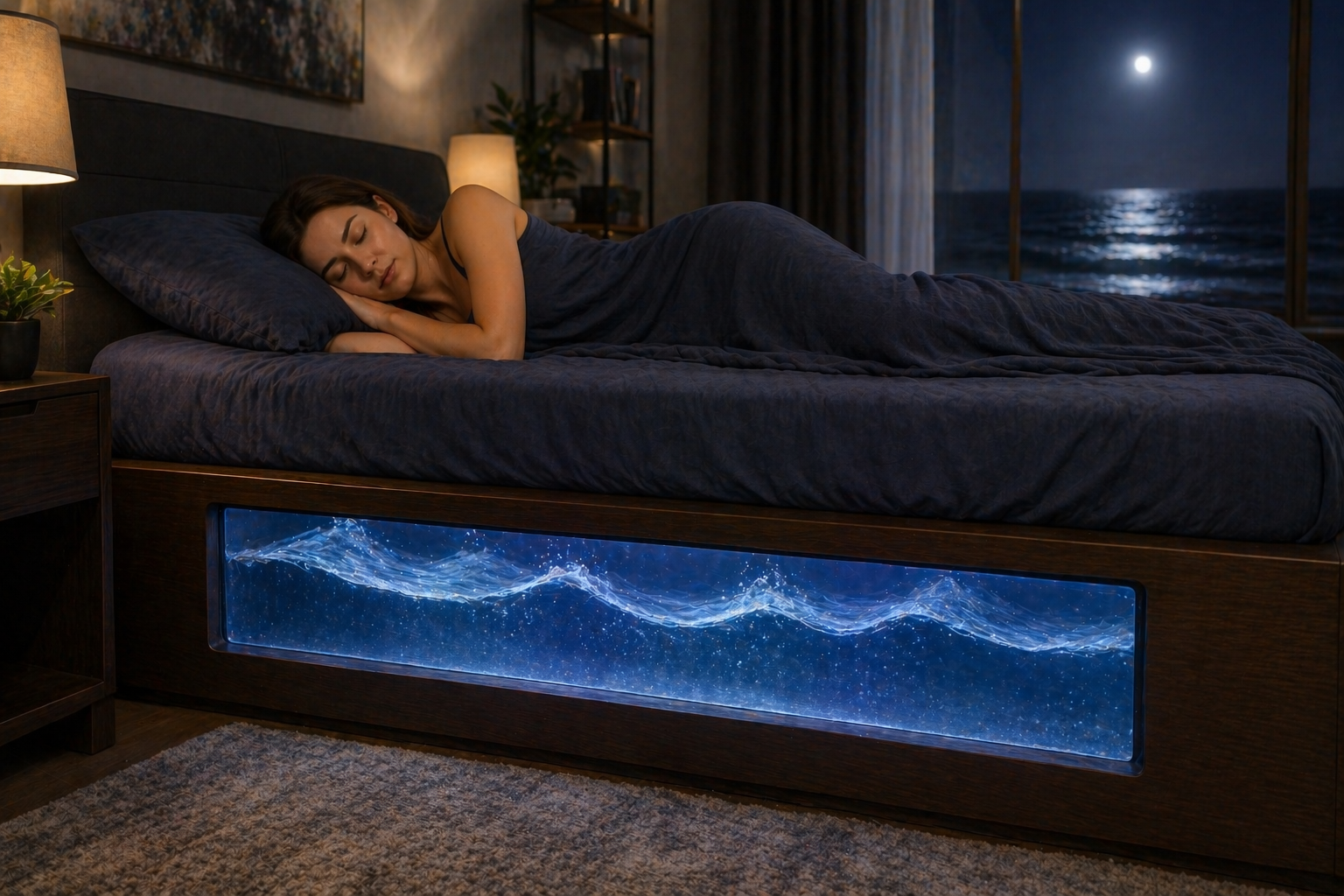
Loose fiber can change how a waterbed feels after months of use. Material that bunches in one area may let more water move through other parts of the mattress. Tethered interiors can help keep those layers where they were designed to stay.
Stable fiber helps the mattress control motion more evenly across the sleeping surface. Some designs use anchors or other support methods to reduce shifting inside the chamber. Better internal stability can help the bed keep a more consistent feel over time.
Compare Mid-Fill and Deep-Fill Designs
Chamber depth can change the feel of a softside waterbed more than people expect. Mid-fill models use less water, which can create a lighter and more controlled feel. Deep-fill designs hold more water and may feel closer to a traditional waterbed.
Motion control also works differently depending on how much water is inside the mattress. A strong waveless system can feel very different in a shallow chamber than it does in a deeper one. Looking at both features gives you a better idea of what the bed will feel like at night.
Sleep style should help guide the final choice. People who want a steadier surface may lean toward one setup, while others may prefer more depth and a softer water feel. Comparing the full design can help you avoid choosing a mattress based on the waveless rating alone.
Our Waterbed Store is Here to Help You
A low-motion setup starts with choosing a waterbed that fits the way you sleep. Waterbed Bargains gives you options that can help control movement and improve comfort through the night. The right choice can make your bed feel calmer without losing the feel that makes a waterbed unique.
Frequently Asked Questions
What is the difference between free-flow and waveless waterbeds?
Free-flow waterbeds allow more water movement when you change positions. Waveless models use internal materials to slow that movement and help the bed settle faster.
Do softside waterbeds have less motion?
Softside waterbeds can offer strong motion control when they use waveless or ultra-waveless chambers. Their foam sides also give the bed a feel that is closer to a regular mattress.
What does a semi-waveless waterbed feel like?
A semi-waveless waterbed keeps some of the gentle movement people expect from a waterbed. It can be a good middle ground for sleepers who want less motion without giving up the classic waterbed feel.
Does the inside of a waterbed mattress affect motion?
Yes, the materials inside the mattress can significantly affect how much water moves. Fiber layers, tethered supports, and other internal features help slow waves after you shift positions.
Can couples choose different waterbed settings on each side?
Some dual waterbed systems let each sleeper adjust their side separately. Certain models can give couples more control over support, water level, and temperature.