
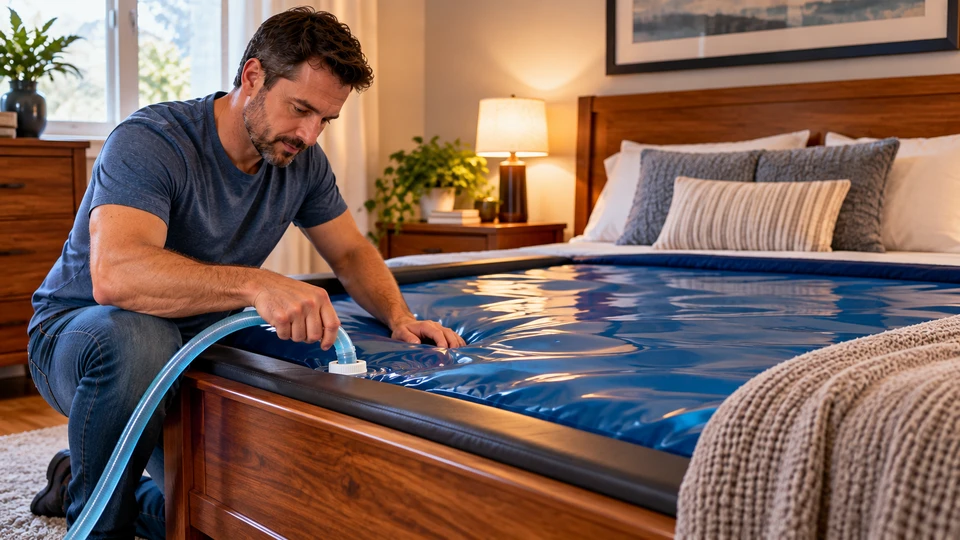
A comfortable bed can still leave you feeling like something is missing. Your hardside waterbed has plenty of potential, but the way it feels depends on more than the mattress itself. Small details can change how well your bed supports you and how much you enjoy sleeping on it.
Getting the best experience means knowing what affects comfort and when a change might help. Waterbed Bargains offers mattresses and accessories that can help you make the most of your sleeping setup. A few thoughtful adjustments could make your bed feel more inviting without replacing everything you own.
Better sleep might be closer than you think.
Here are some ways to unlock the full comfort potential of your hardside waterbed.
Key Takeaways
- The right water level and motion control can make your waterbed feel more comfortable.
- Trapped air, uneven support, and temperature changes can affect how well you sleep.
- Better bedding, rail padding, and pillow height can change how your bed feels without replacing the mattress.
Water Depth Changes How Your Body Rests
Even a small change in water level can affect how your hardside waterbed feels. Too little water may leave your hips sinking too far, while overfilling can strain the mattress.
Check Your Sleeping Position
Your hips and shoulders should rest without pressing against the hard base. If you feel the bottom beneath you, the mattress may need more water. Try lying in your usual position before deciding whether to adjust the fill level.
Make Small Changes Instead of Guessing
Adding a large amount of water at once can make the mattress feel too firm. Follow the maker's fill guide and make small changes within those limits. Give the water time to settle before testing the bed again.
Watch for Pressure Around the Edges
An overfilled mattress may push too hard against the wooden frame. Extra pressure can also place stress on the seams near the corners. Check how the mattress sits inside the frame before adding more water.
Motion Control Changes the Sleeping Experience
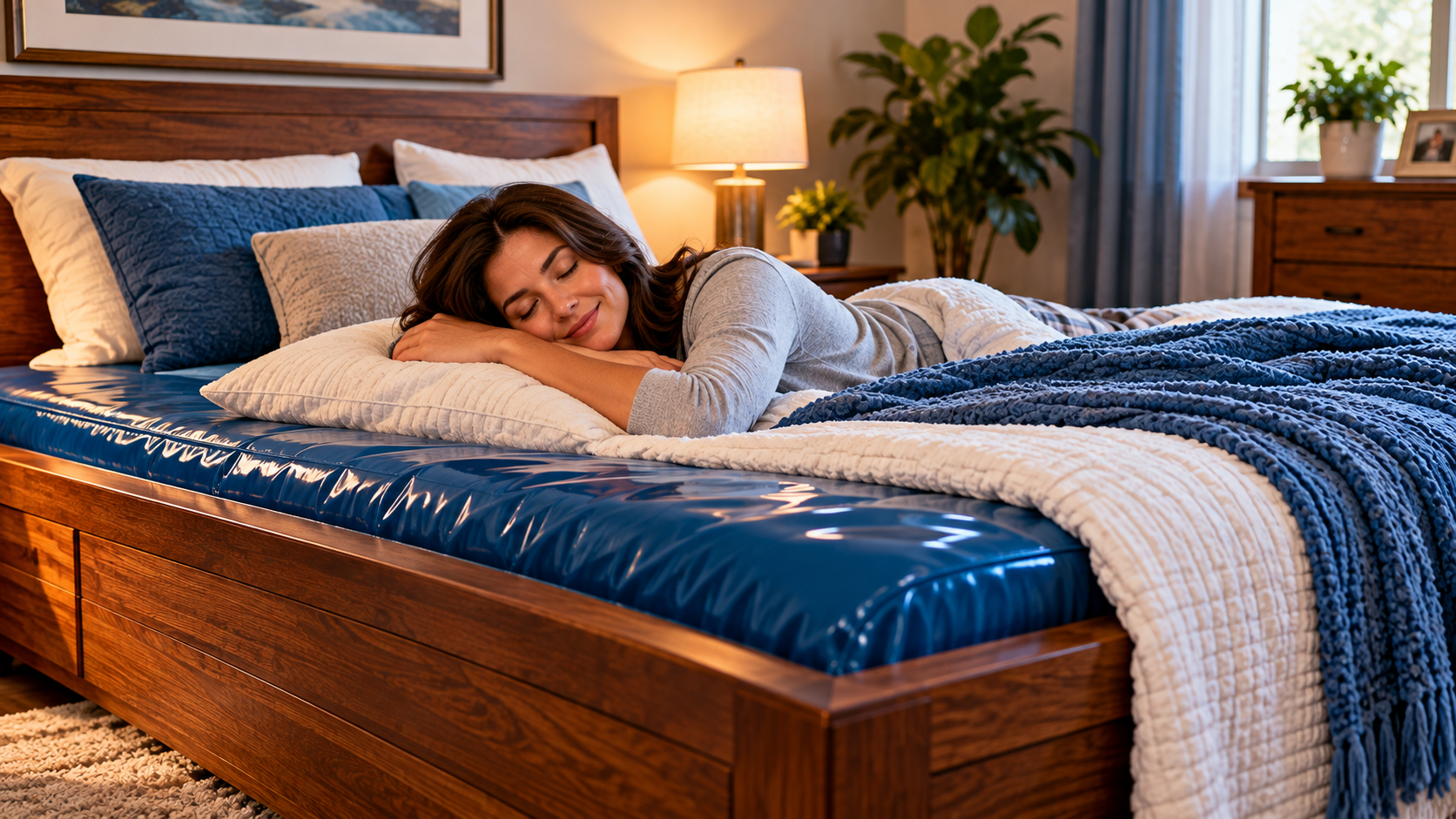
Rolling over shouldn't leave your waterbed moving long after you've settled down. Some mattresses have fiber layers or special baffles inside to slow the waves. These parts limit how much the water moves when you change positions.
A full-motion mattress lets you feel more of the water's gentle movement. People who prefer less rocking may enjoy a mattress with more wave control. The right amount depends on how much movement feels comfortable while you sleep.
The Frame Edge Can Affect Comfort
Sitting on a wooden bed rail can hurt the backs of your legs. The hard edge presses against your body as you climb into bed. Soft rail padding gives you a more comfortable place to sit.
Padded rail caps cover the wood without changing the mattress itself. Some have thick foam that cushions your legs when you sit down. A snug fit keeps the padding from sliding around as you move.
Older rail pads may become flat or worn after years of use. Replacing them can make getting out of bed feel less awkward. Check your frame size before buying so the new pads fit securely.
Hidden Air Pockets Increase Movement
A quiet waterbed shouldn't sound like a bathtub when you turn over. Strange gurgling noises may mean air has built up inside the mattress. These hidden pockets can make the water splash around more than usual.
Air can enter the mattress during filling or routine care. Over time, small bubbles may gather near the top of the bed. This can change how the mattress moves and make it harder to settle comfortably.
Getting rid of trapped air may help calm the extra motion. Follow the manufacturer's directions for pushing air toward the fill valve and releasing it. Once the bubbles are gone, your bed may feel steadier and sound quieter at night.
Can a Waterbed Be Too Full?
Yes, adding too much water can make your mattress feel stiff. Instead of gently giving under your body, the bed may feel tight. All that extra water can also put added pressure on the mattress seams.
An overfilled mattress may press firmly against the wooden frame. This can strain the edges and make the bed less pleasant to sleep on. Checking the maker's fill guide helps you avoid adding more water than your mattress can safely hold.
Mattress Construction Changes Pressure Relief
Your waterbed's inner design affects how your body rests at night. A free-flow mattress lets water shift freely beneath your weight. Models with built-in fiber layers offer a different feel by holding parts of the water in place.
The following features can change how a mattress supports your body:
- Free-Flow Water Support: Water moves around your body as you settle into bed. This lets your hips and shoulders sink into the mattress without pressing against a firm surface.
- Fiber Layer Placement: Some mattresses have fiber sheets spread across the inside. These layers slow the flow of water and change how the bed responds to your weight.
- Support for Side Sleepers: Your shoulders and hips need room to sink when you lie on your side. A mattress that feels too firm may place unwanted pressure on these areas.
- Back Support While Sleeping: Your lower back needs support as the mattress follows your body's shape. Testing different mattress designs can help you find one that keeps your back comfortable.
The way a waterbed is built can change where you feel pressure, even when the water level stays the same.
Temperature Recovery Matters After Adjustments
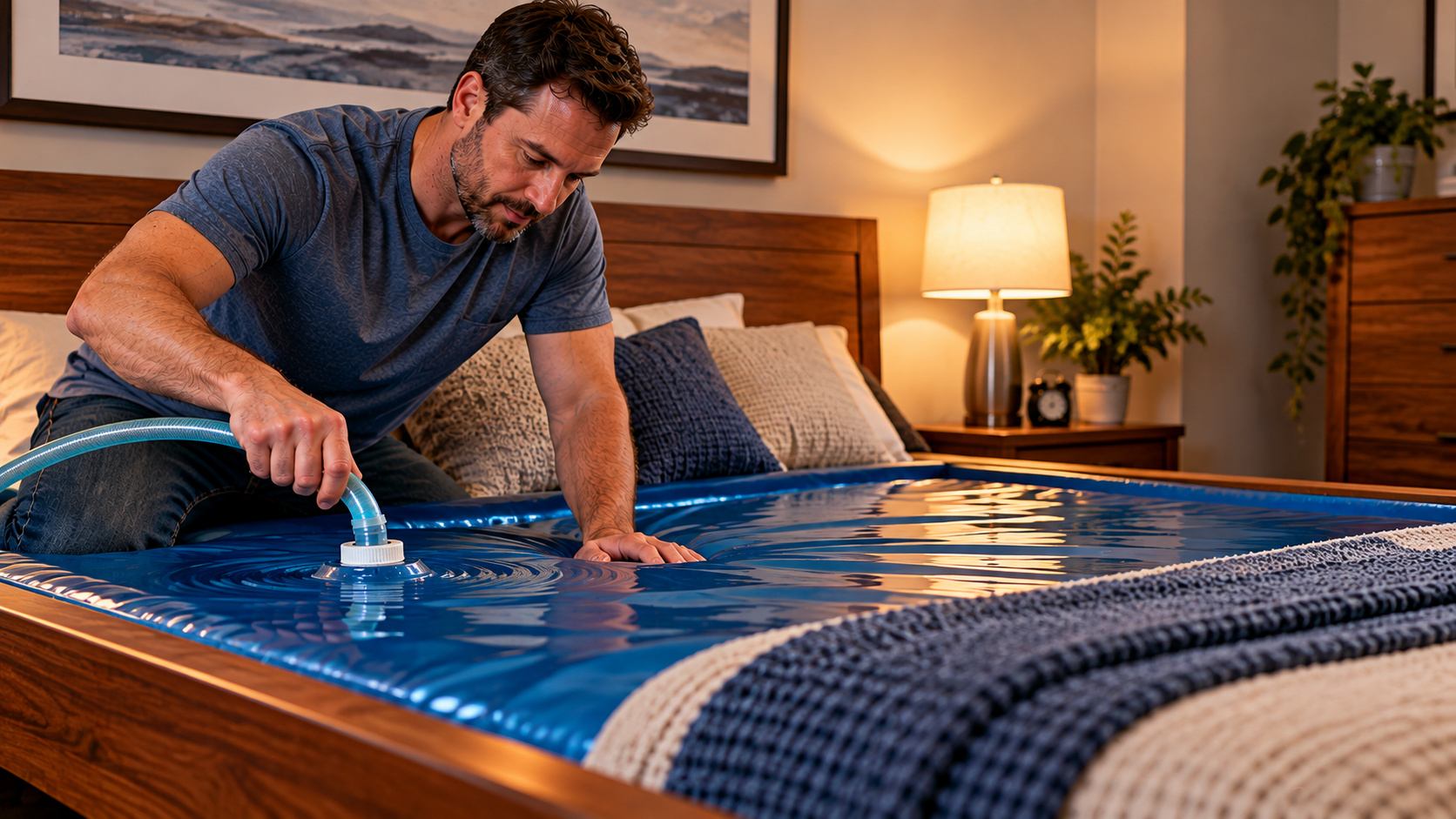
Turning up the heat won't make your waterbed warm right away. A hardside mattress holds a lot of water that takes time to heat. Even a small change on the thermostat may take hours to feel.
Your heater's power affects how fast the water reaches its new temperature. A cool bedroom can also slow things down as heat escapes into the air. This means your bed may warm up faster on some nights than others.
Constantly changing the settings can make it harder to find a comfortable temperature. Try making a small adjustment and giving the heater time to work. Once the water reaches the new setting, you can decide if another change is needed.
Flat Decking Keeps Support Consistent
A waterbed mattress needs a solid base to rest on. If the wooden decking underneath bends or sags, the mattress may sit unevenly. This can create pressure in areas that should stay flat.
Wood panels can warp over time, leaving dips beneath the heavy mattress. Gaps between the boards may also leave parts of the bed without firm support. Checking the decking can reveal hidden problems that affect how your bed feels.
A level surface helps spread the mattress weight across the entire base. Each panel should rest firmly on the supports without shifting or bending. Fixing damaged decking gives your mattress the steady foundation it needs.
We Can Help You Get the Most Out of Your Hardside Waterbed
Your bed may have more comfort to offer than you realize, especially when small changes can make such a big difference. Paying attention to mattress support, warmth, and the way your bed feels can help you enjoy the floating comfort you love. Waterbed Bargains offers waterbed mattresses and accessories that can help you create a sleeping experience worth looking forward to every night.
Frequently Asked Questions
How can I make my hardside waterbed feel softer?
You can make your hardside waterbed feel softer by checking the water level and adding a comfortable mattress pad. The right combination can improve surface comfort without changing the mattress.
What causes a waterbed to feel uneven?
An uneven waterbed may have trapped air, an incorrect water level, or problems with the decking beneath the mattress. Aging vinyl can also create wrinkles or areas that no longer feel smooth.
Can I use regular sheets on a hardside waterbed?
Regular sheets may fit some hardside waterbeds, but they often slip loose or pull too tightly across the mattress. Sheets designed for waterbeds provide a better fit and allow the mattress to move more freely.
Does pillow height matter when sleeping on a waterbed?
Yes, pillow height matters because your body may sink differently into a waterbed than a traditional mattress. A lower pillow may feel more comfortable if your current one pushes your head too far forward.
How can I reduce movement in my hardside waterbed?
A mattress with internal fiber layers or baffles can reduce water movement when you change positions. Choosing a semi-waveless or waveless design can create a steadier sleeping surface while keeping the feel of water underneath.