
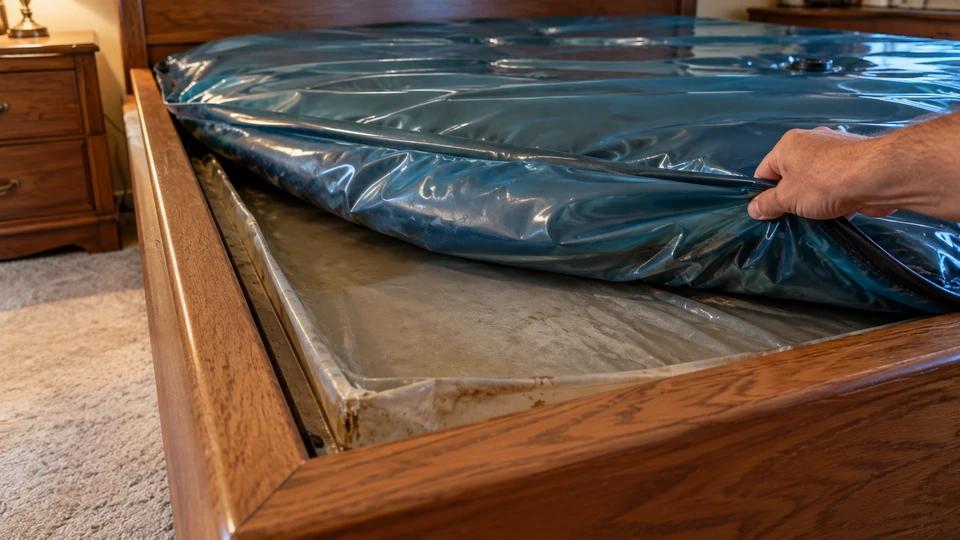
A waterbed liner rarely gets much attention until something goes wrong. Years of heat, pressure, folds, and movement can slowly wear down the vinyl in places you may never see. An aging liner can leave your bed with less backup protection if the mattress ever springs a leak.
Small changes like stress marks, thin spots, loose repairs, and worn corners can tell you more than the liner’s age alone. Catching those signs early gives you time to replace the liner before a small weakness becomes a wet mess. Waterbed Bargains makes it easy to shop for new waterbed liners that can give your setup a fresh layer of protection.
A closer inspection can help you decide if your current liner still deserves your trust.
Keep reading to see the warning signs an older waterbed liner may be ready for replacement.
Key Takeaways
- Small changes in a waterbed liner can reveal bigger wear hiding under the mattress.
- Stress marks, stiff vinyl, and worn corners can show where the liner is losing strength.
- Catching damage early can help you replace the liner before a mattress leak turns into a bigger mess.
Corners Stay Folded After the Mattress Moves
Deep folds can leave older vinyl looking pinched, even after the mattress shifts away. Years of pressure may make the material less flexible, so those creases no longer smooth out on their own. The corner can then become a weak point where stress keeps building.
Sharp folds deserve extra attention after the mattress has been drained or moved. Small cracks may start along the bend before a larger split appears. Catching that wear early can help prevent a minor problem from turning into a leak.
The Liner Has Started Pulling Away From the Frame
A liner that used to sit snug against the frame can slowly shift out of place. Age, stretching, and repeated movement can leave small sections near the rails exposed. That loss of coverage means there may be less protection if water escapes from the mattress.
Fit matters because the liner is meant to help contain leaks before they spread. Gaps along the edges can show that the material has changed shape over time. Once the liner no longer reaches where it should, replacement may make more sense than trying to force it back into place.
Old Repairs Are Starting to Lift
Old patches can start peeling even if they once held well. Heat, movement, and constant flexing can weaken the adhesive over time. Lifting edges may show that the liner is becoming harder to trust.
Several worn repairs can also make a functional waterbed more likely to need a fresh liner. Adding one more patch may only buy a little time if the vinyl keeps failing in new spots. Replacing the liner can create a cleaner, more dependable barrier against leaks.
Give Old Beds Fresh Protection With Waterbed Liners
A worn liner can quietly turn a small mattress leak into a much bigger problem. Checking for weak spots now can help you avoid damage later and keep your bed better protected. Waterbed Bargains offers replacement waterbed liners that make it easier to refresh this often-forgotten part of your setup.
Frequently Asked Questions
What makes a waterbed liner wear out faster?
Heat, pressure, rubbing, and years of mattress movement can slowly weaken the vinyl. Corners and areas near the heater may show wear sooner than other spots.
Where should I check a waterbed liner for hidden damage?
Look closely around corners, folds, old repairs, and the bottom of the liner. Thin spots, scuffs, deep creases, or loose patches can reveal wear that is easy to miss.
Should I replace a waterbed liner before it starts leaking?
Replacing a worn liner before it fails can give the mattress better backup protection. Waiting too long may leave weak vinyl in place when you need it most.