
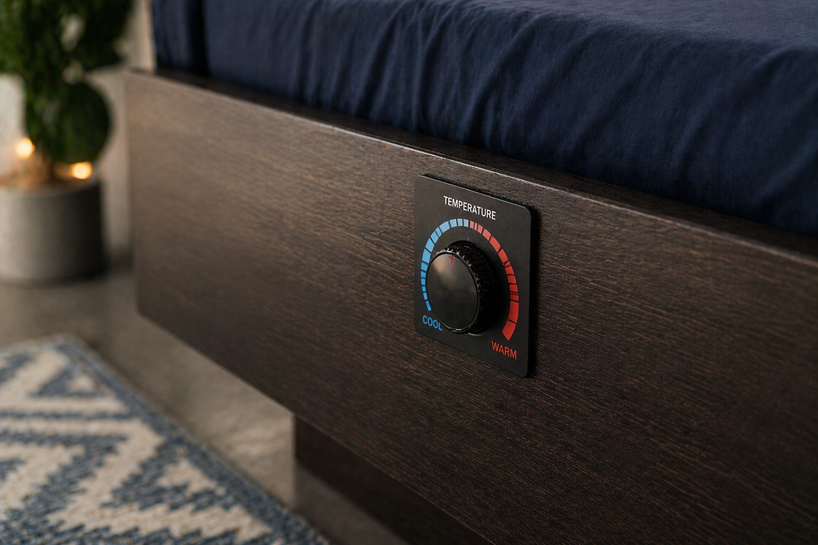
A waterbed can feel cozy, strange, too warm, or too cold depending on how the setup works together. The waterbed heater plays a big role, but bedding, room temperature, water level, and daily habits can all change how the bed feels. Waterbed Bargains sells high-quality waterbed heaters that help keep the mattress steady, safe, and easier to enjoy.
Good temperature control is not about guessing or turning the dial every time the bed feels off. Small choices can make a big difference once the body settles in for the night. A better setup helps the bed feel more consistent without making sleep feel like a science project.
Learn more about how to control waterbed temperature without fighting your bed every night.
Key Takeaways
- Waterbed temperature control works best when the heater, bedding, room, and water level all work together.
- Small changes can make the bed feel better without turning sleep into a guessing game.
- A steady setup helps prevent hot nights, cold spots, and surprise comfort problems.
Start With Sleep, Not a Number
A waterbed setting can sound right and still feel wrong at midnight. Your body needs time to settle into the warmth under sheets and blankets. The real test is how you sleep, not what the dial says.
Comfort can change after a few hours in bed. A mattress that feels cozy at first may start to feel too warm once the heat builds. Give one setting a full night before you decide it needs a change.
Small changes work better than big jumps. Move the setting a little, then see how your body feels the next morning. Better temperature control starts when sleep feels calm, steady, and easy to stay in.
Make Small Changes Count
One small dial change can shift the whole feel of a waterbed by bedtime. The water needs time to warm up or cool down, so quick changes can make comfort harder to judge. A slow adjustment gives the heater and mattress time to work together.
Tiny moves can prevent hot nights, cold spots, and constant guessing. Wait long enough for the bed to settle before turning the dial again. Steady comfort usually comes from patience, not big changes all at once.
Why Is My Waterbed Too Hot at Night?
Too much warmth at night may come from what sits on top of the mattress. Thick blankets, dense mattress pads, and a warm room can hold heat close to your body for hours. The bed may feel overheated even when the heater is set at a normal level.
A cooler sleep setup can start with lighter layers. Swap heavy covers for thinner bedding and see how the bed feels through the night. After that, make a small thermostat change if the mattress still feels too warm.
Do Not Chase Daytime Comfort
A quick daytime test can trick you into changing a setting that was already working at night. Waterbeds need to be judged after real sleep, when your body, bedding, and mattress have had time to settle together.
Short Tests Can Lead to Overcorrecting
A few minutes on the bed only tells you how the surface feels at first contact. It does not show how the mattress will feel after your body has warmed the sleep space. Changing the dial too soon can start a cycle of nights that feel too hot, then too cold.
Room Changes Can Shift the Bed’s Feel
A sunny afternoon, open window, or running heater can make the mattress feel different before bedtime. The bed may seem warmer or cooler because the room changed, not because the waterbed heater is wrong. Checking the room first can help you avoid blaming the bed for a temporary change.
Your Morning Clues Matter Most
The best feedback often shows up after you wake up. Sweating, kicking off covers, curling up cold, or waking often can tell you more than a quick touch test. Those signs help you decide whether the setting truly needs a small change.
Use Bedding as a Heat Tool
The heater is only one part of how warm a waterbed feels. Sheets, blankets, and pads can hold heat in place or let it move away while you sleep. Lighter layers can help the bed feel less stuffy without changing the setting.
A thick comforter may turn steady warmth into too much warmth by morning. Breathable covers give your body more room to cool down during the night. Switching the bedding first can make temperature control feel simpler and less frustrating.

Find the Cold Spot Clue
A cold patch in a waterbed is more than a comfort problem. It can be a sign that the heater is not sitting in the right place or is struggling to warm the mattress evenly. Raising the dial may hide the issue for a while, but it can also make other areas too warm.
Even warmth should spread across the part of the bed where you sleep. A cool area near one side, corner, or center is worth checking before making another setting change. Fixing the heater position or replacing a weak heater can help the bed feel steady again.
Is It Safe to Leave a Waterbed Heater On?
A waterbed heater is built to stay on when the setup is installed the right way. The goal is steady warmth, so the mattress stays comfortable instead of swinging between too cold and too warm. Daily shut-offs can make the bed harder to enjoy and harder to manage.
Safe use starts with the right heater, proper placement, and a working thermostat. Constantly turning the system on and off can force it to catch up again later. A steady setting helps the bed feel better while keeping temperature control simple.
Think About Two Sleepers
One bed can feel cozy to one sleeper and too warm to the other. Shared waterbeds work best when each side is handled with care before the heater setting gets changed. Bedding is the easiest place to start because each person can adjust comfort without changing the whole mattress.
The small changes on each side can make shared sleep feel easier:
- Separate Blanket Layers: One sleeper may need a thinner blanket while the other needs more warmth. Different layers can solve comfort problems without making the whole bed hotter or cooler.
- Sheet Feel Matters: Some sheets hold more warmth than others. A cooler sheet on one side can help a hot sleeper rest better without bothering the other person.
- Room Heat Can Affect Each Side: One sleeper may be closer to a vent, window, or fan. That side of the bed may feel different even when the heater is working the same way.
- Thermostat Changes Affect Everyone: A full bed adjustment changes the sleep space for both people. Side-by-side bedding changes give each sleeper more control before the heater dial gets touched.
Shared comfort gets easier when each sleeper has a setup that matches how they rest.
Rest Easier With the Right Waterbed Heater
Waterbed temperature control helps the bed feel calm, steady, and easier to enjoy. Small changes to the heater, bedding, room, and water level can help stop hot nights and cold spots. Waterbed Bargains offers high-quality waterbed heaters that help keep comfort from becoming a nightly battle.
Frequently Asked Questions
What temperature should I set my waterbed for sleep?
A good waterbed temperature should feel warm enough to relax your body without making you sweat. Many sleepers need a few small adjustments before the bed feels right through the whole night.
Why does my waterbed feel different every night?
Your waterbed can feel different because room temperature, blankets, water level, and body heat all change the way warmth feels. The heater may be working fine, but the full setup may need a closer look.
How long does a waterbed take to warm up?
A waterbed can take several hours to warm because the heater has to warm a large amount of water. After changing the setting, give the bed time before making another adjustment.
Can bedding change how warm my waterbed feels?
Yes, bedding can make a waterbed feel much warmer or cooler than the thermostat setting. Heavy blankets can trap heat, while lighter sheets can help the bed feel more balanced.
When should I replace my waterbed heater?
You may need to replace your waterbed heater if the bed warms slowly, feels uneven, or needs higher settings than before. Early replacement can help prevent cold nights and comfort problems.